

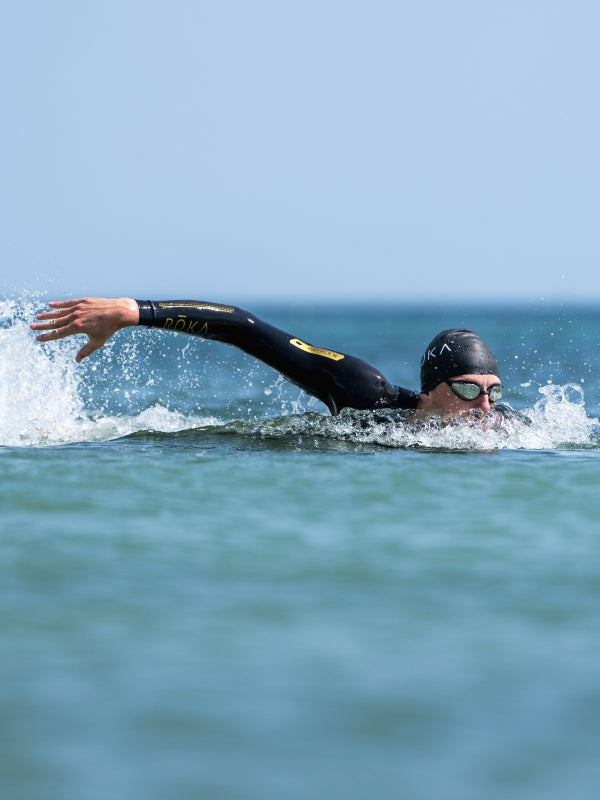



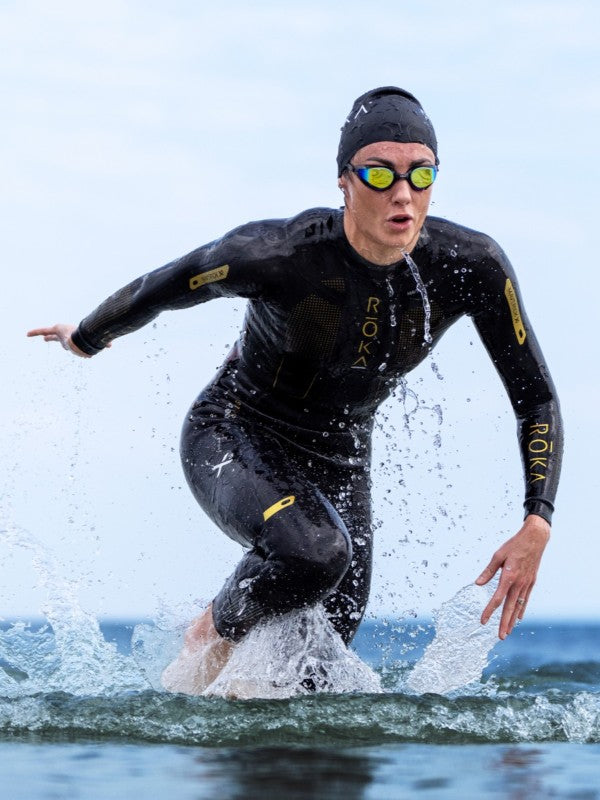







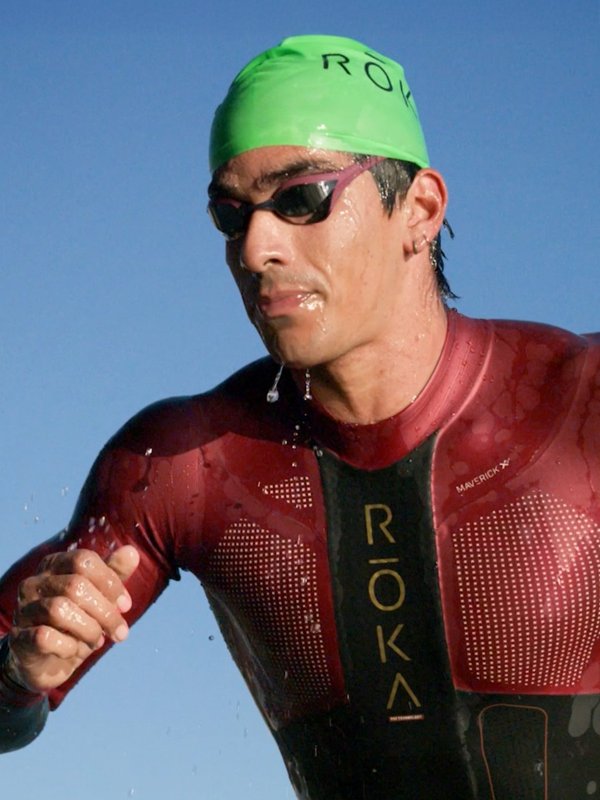

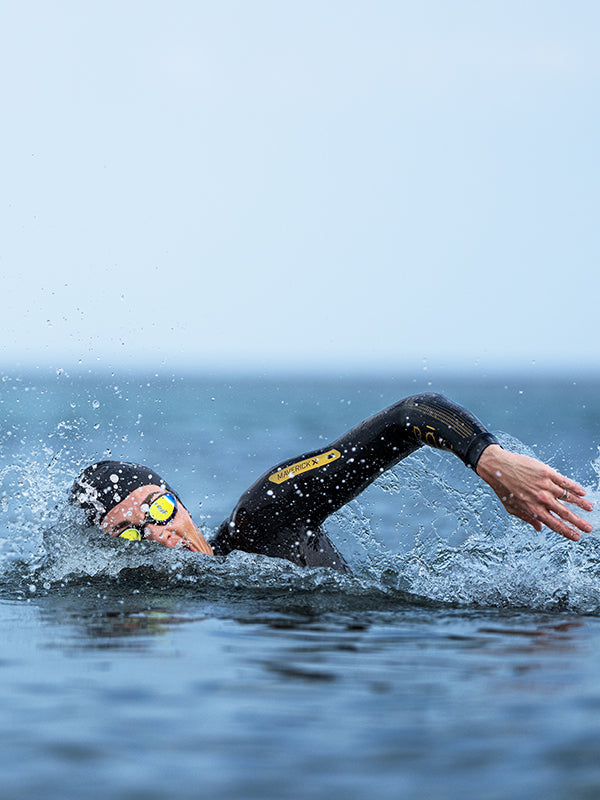



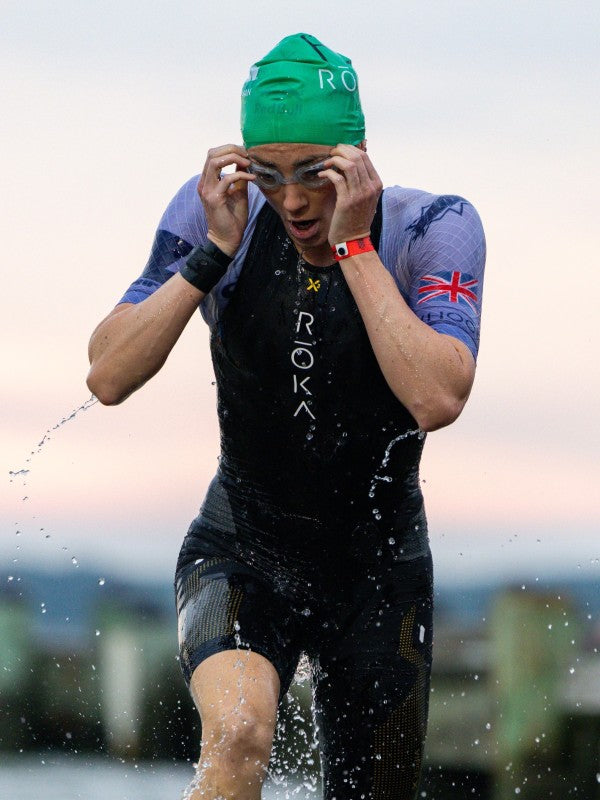









Open water swimming can be transcendent, healing, joyous. A way to find lightheartedness and wisdom: Live in the sunshine, swim the sea, / Drink the wild air's salubrity, as poet and philosopher, Ralph Waldo Emerson, put it.
No lanelines, no black line, just your thoughts, and a deep connection to the world and its most essential element. It’s no wonder the man who prized self-reliance and nature romanticized open water swimming.
A triathlete who unlocks that connection to the water is going to race happy. And a happy athlete is a fast athlete.
So we talked with the Golden Gate Tri Club’s Swim Director and veteran open-water swimmer, Josefine “Jojo” Olsson, to get the lowdown on how she helps the club’s 600+ members prep–mentally, physically, and emotionally–to have their best open-water race.
“It’s an adventure, like trail running,” says Jojo, “The friends I swim with are always happy to be here. Like, wow, we get to do this!”
Here’s how to get that attitude to crush your next race. It all starts with feeling safe, capable, and confident.
1. PRACTICE SIGHTING IN A POOL

“This will help you get a little bit of the rhythm and technique,” Jojo says. Sight off the blocks, a kickboard, or a cone on deck. Better yet: Have someone move the object around. Check out this GTN video to see pool sighting in action.
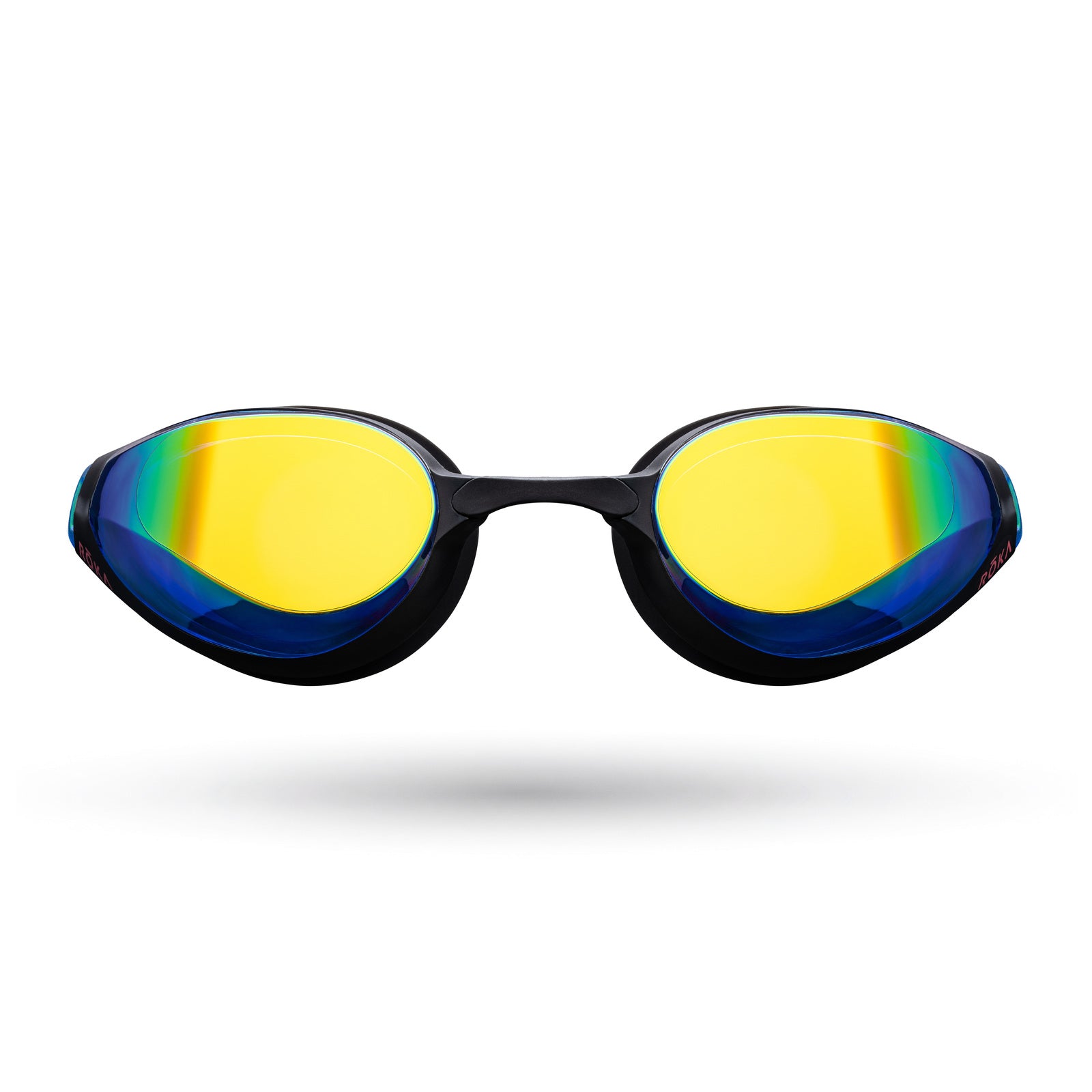
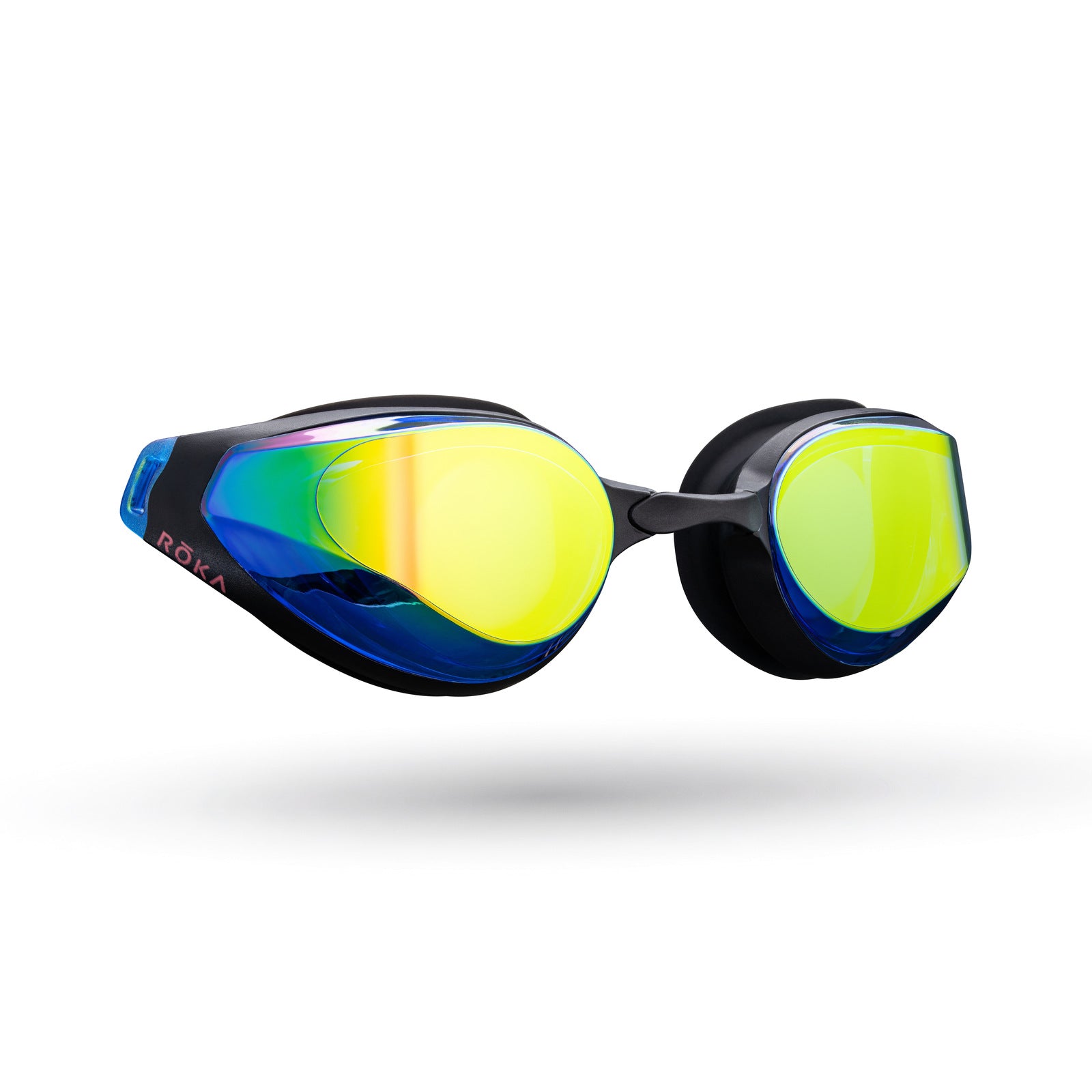
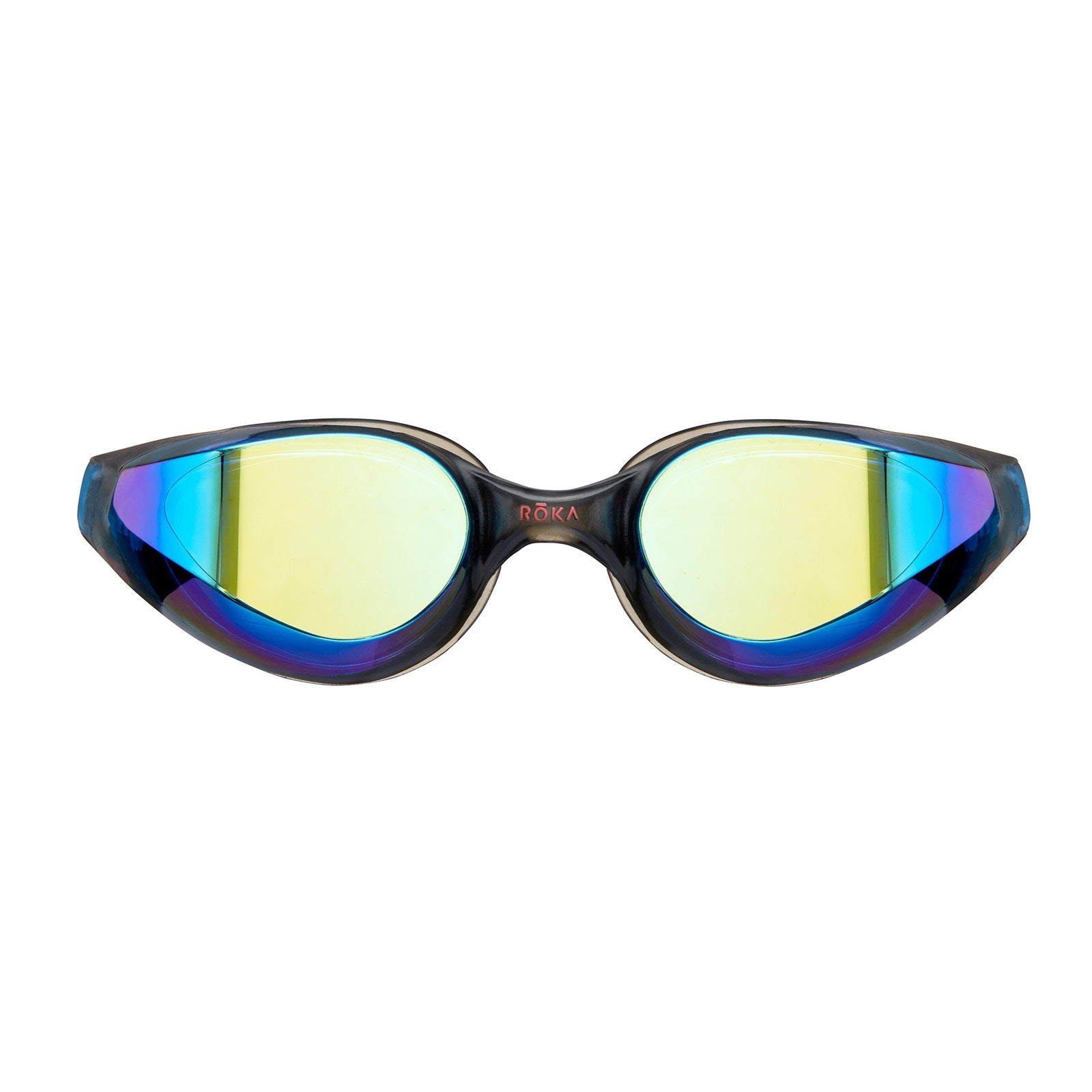
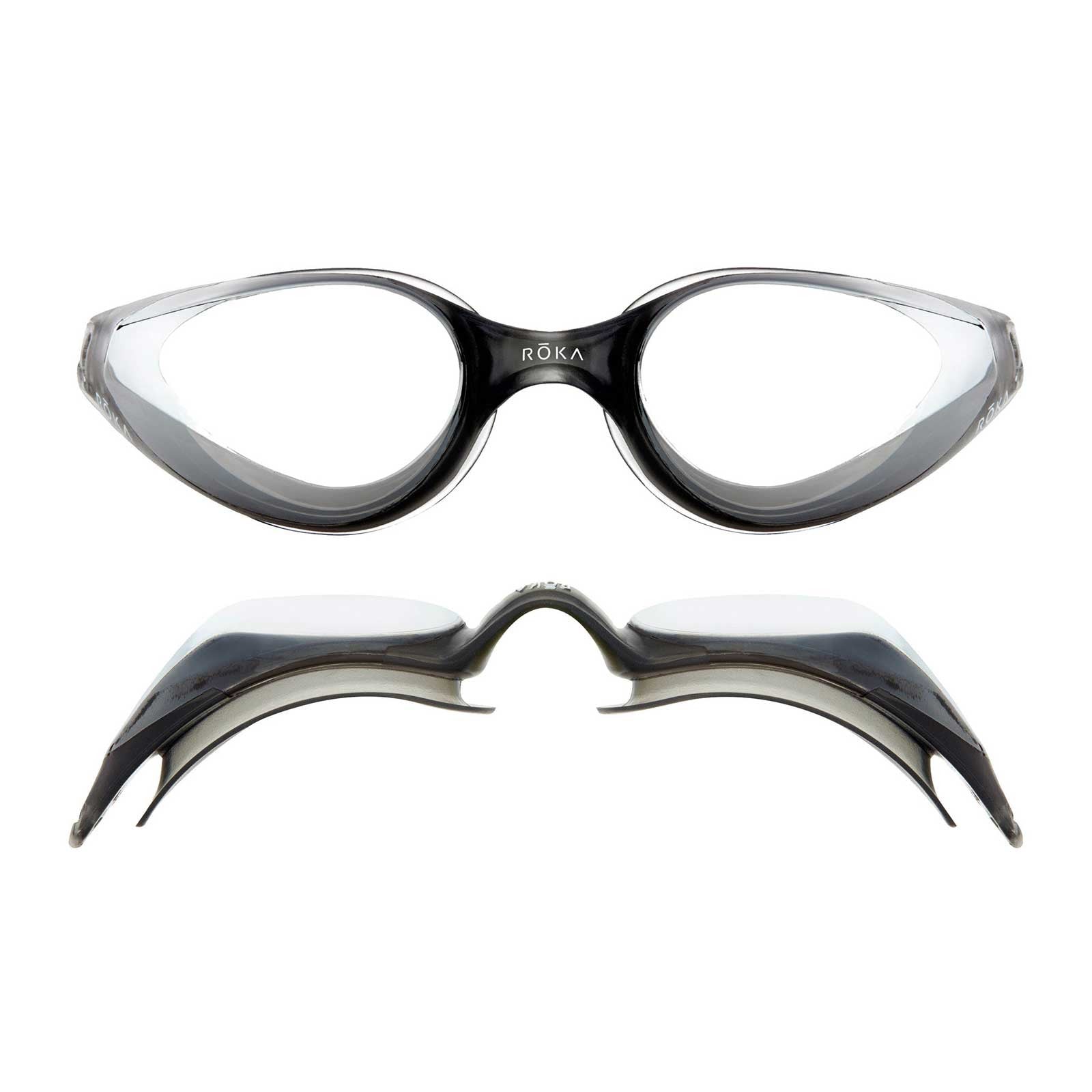
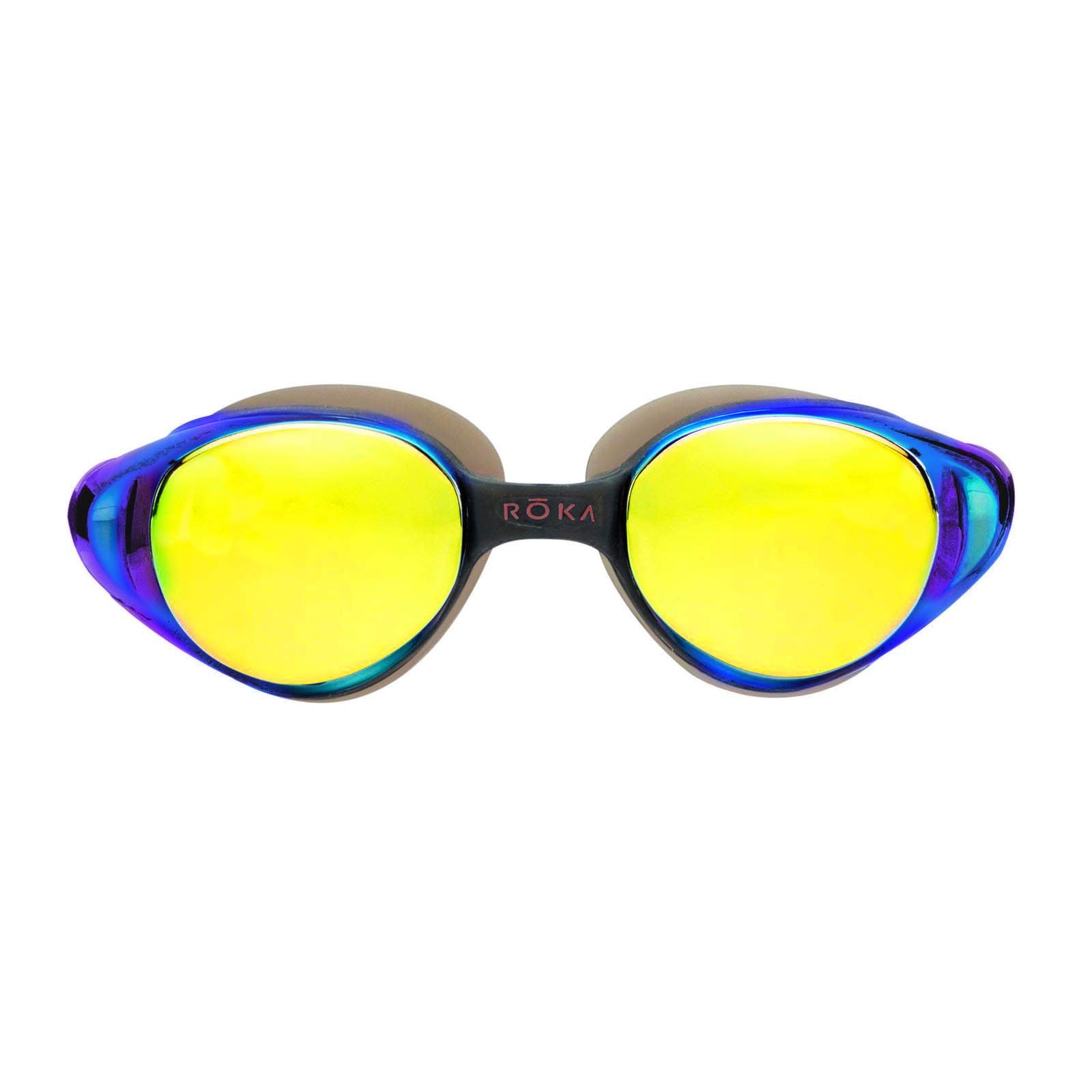
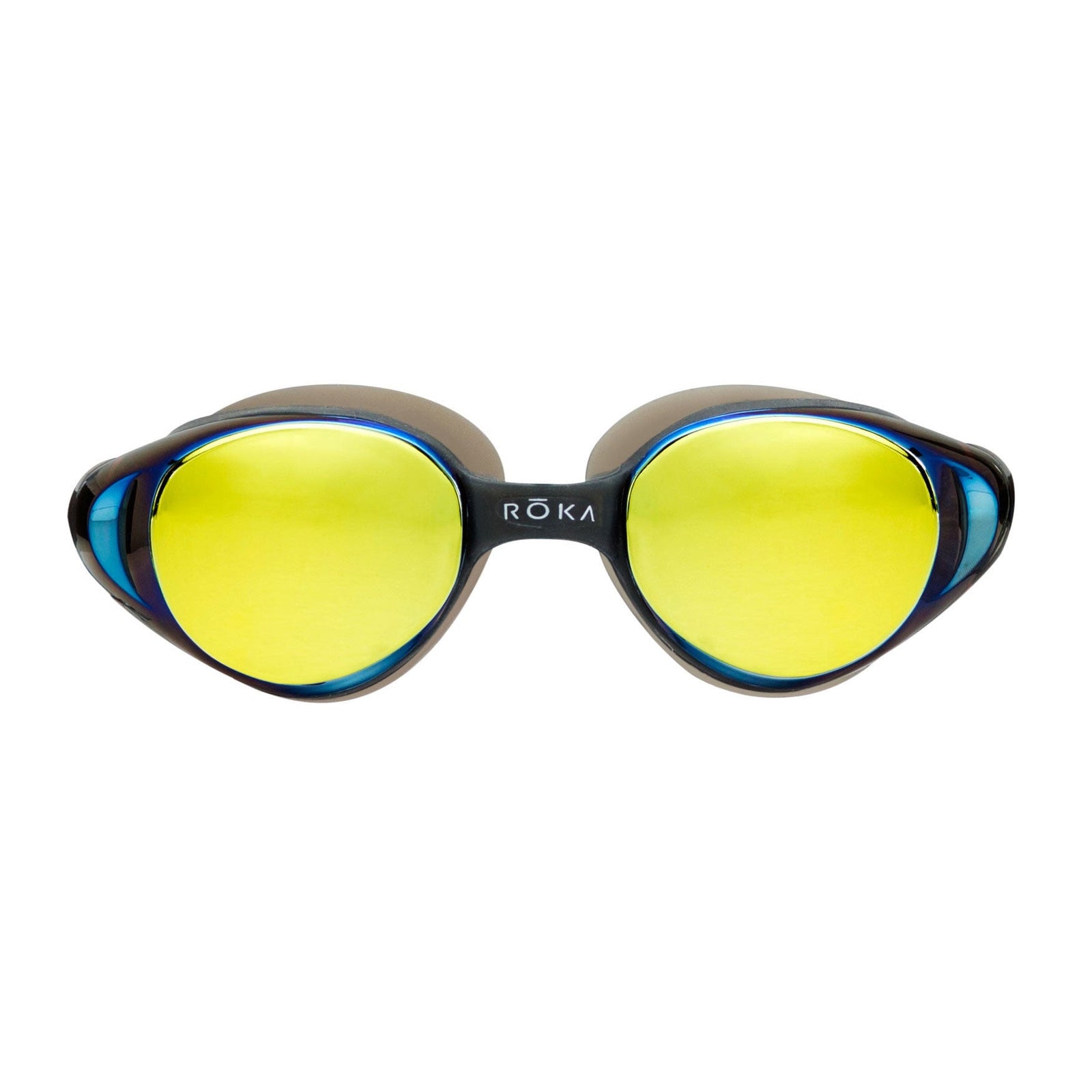
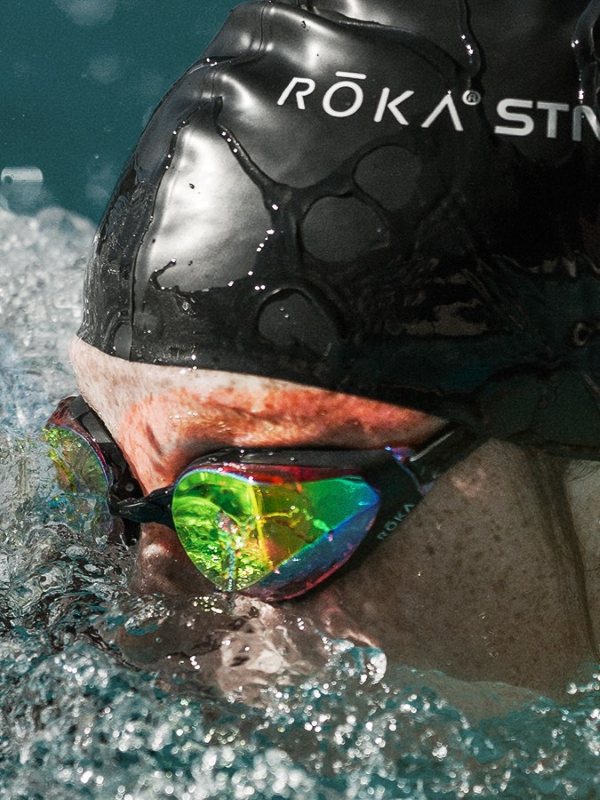
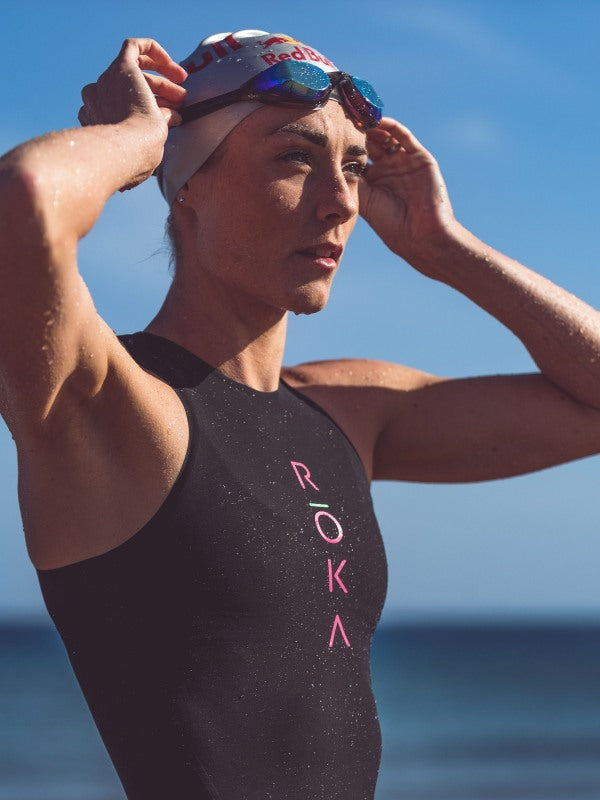
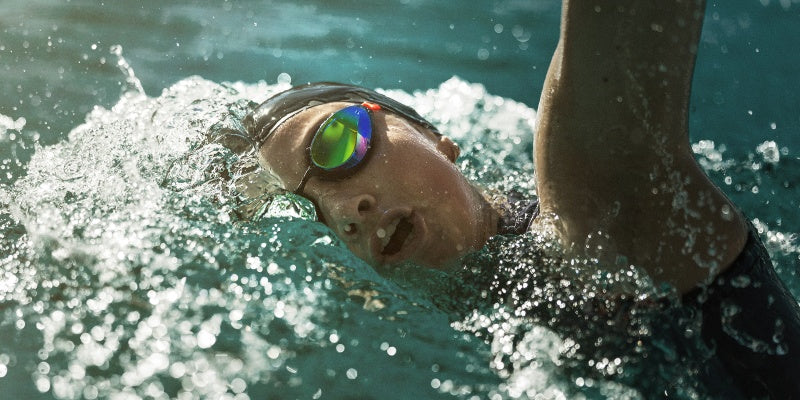
The goal is to have “alligator” or “crocodile eyes”–lifting just enough to see what you’re aiming for, without pausing your stroke or breaking form. R2 goggles are perfect for this, designed specifically for maximum forward visibility.
“Don’t let your arm sink as you’re looking up, and look up a little right before breathing: peek up, then breathe.”
2. PRACTICE BILATERAL BREATHING
“If it’s choppy, it’s really nice to be able to adjust,” says Jojo. “And on race day, you never know if someone might be bothering you on one side.” Or if the best thing to sight off of will appear more on one side.
3. MIND THE TIDES
Currents in the San Francisco Bay are notoriously strong. But all open water swimmers benefit from being mindful of currents, tides, and overall conditions.
“Look up what the tides are doing before going in so you know what to expect–where the water might push you.”
Some resources for checking out conditions:
NOAA Tides and Currents
4. GEAR UP

For cold swims, Jojo recommends a thermal cap, and wax earplugs to help avoid feeling dizzy.
A thermal wetsuit can also help keep swimmers comfy in colder water.
A swim buoy is a smart buy for visibility.
And you’ll want open water goggles with different lens colors for maximum visibility in various conditions. Start with one pair of tinted or mirrored goggles, and one pair of clear goggles.
5. WEAR A WHITE CAP
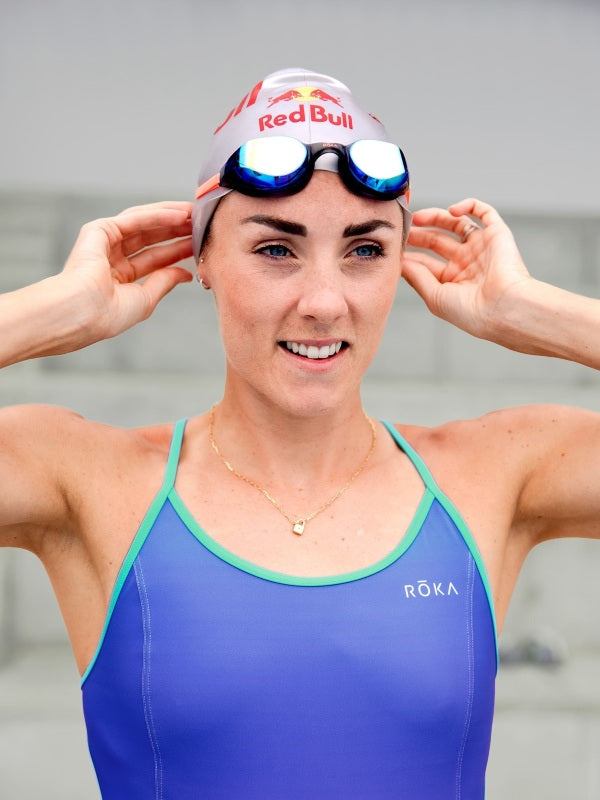
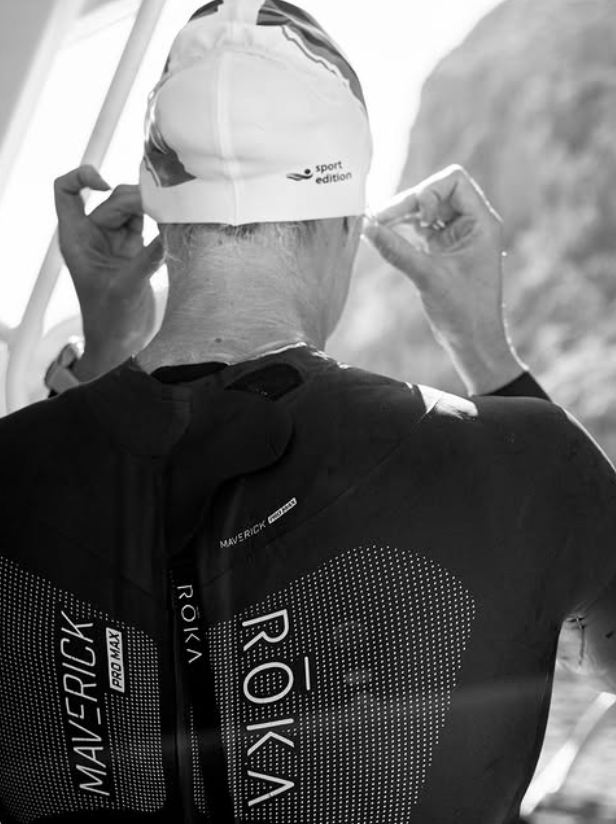
“I push wearing a white swim cap,” Jojo says. “For visibility. And also to not scare other swimmers around you, because we’ve had a lot of seals and sea lions around. If you’re wearing a dark cap, other swimmers might mistake you for a seal!”
6. PRACTICE IN OPEN WATER
“Find a good route to practice back and forth, and go at different times,” says Jojo, so you can get used to the different ways the tides, currents, and conditions can affect your swim. That way you’ll be used to chop, clouds, bright light, and everything in between.
7. NEVER SWIM ALONE
If there’s open water, chances are there’s a group of people who like to swim in it. Search for a local triathlon club or open water swim club, then join their workouts. Clubs offer safety in numbers and local wisdom–and, of course, camaraderie. They may even offer adventures you didn’t know you could try.
The GGTC trains regularly at Aquatic Park Cove, and links up with the Pacific Open Water Swim Co. for fully-supported adventures, like swimming from Alcatraz.
8. COUNT YOUR STROKES
It can help you stay present and calm. “I sometimes need to force myself to do that instead of thinking about what groceries I need,” she says. “I’ll also focus on breathing and form.”
It’s the swimmer’s way of focusing on things you can control. You can’t control what that shadow was, or if another swimmer just touched your legs. You can always count your strokes.
9. IGNORE YOUR SPLITS
“You will be slower, and that’s OK,” Jojo says. She tells new open water swimmers they can expect to be 15 seconds/100 yards slower than when they swim in the pool. “It can be frustrating for some athletes. But it’s like a trail run: there’s so many things you can’t control.”
So give yourself grace. Everyone on race day will be facing similar water conditions. All you can do is–say it with Jojo–focus on your form and breathing.
10. STOP AND BREATHE
If you feel uncomfortable, stop. Catch your breath. Float on your back. Ask for help. Even the best swimmers need a reset in the water every once in a while. The first goal of open water swimming is always safety; you want to be able to come back and try again.
11. TRUST YOURSELF
“Look at it as a fun little adventure,” Jojo says. “Be prepared, and trust you can do it.”