

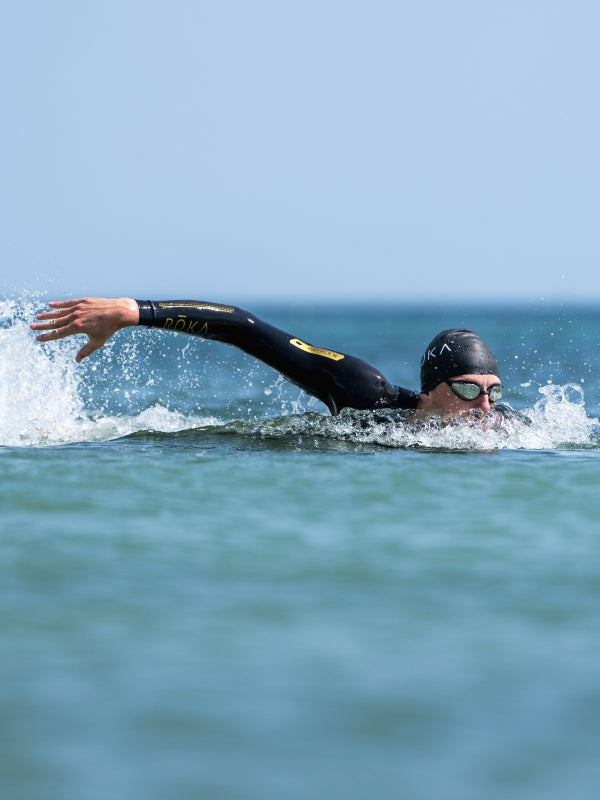



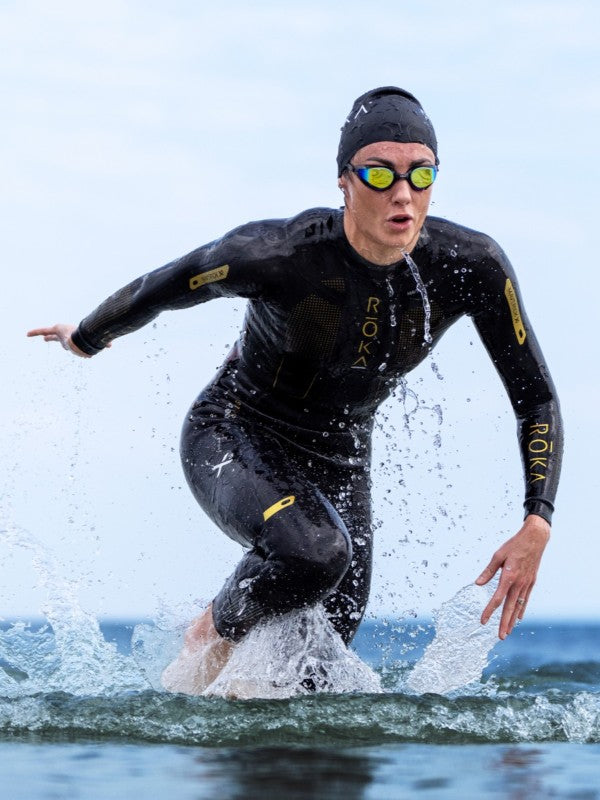

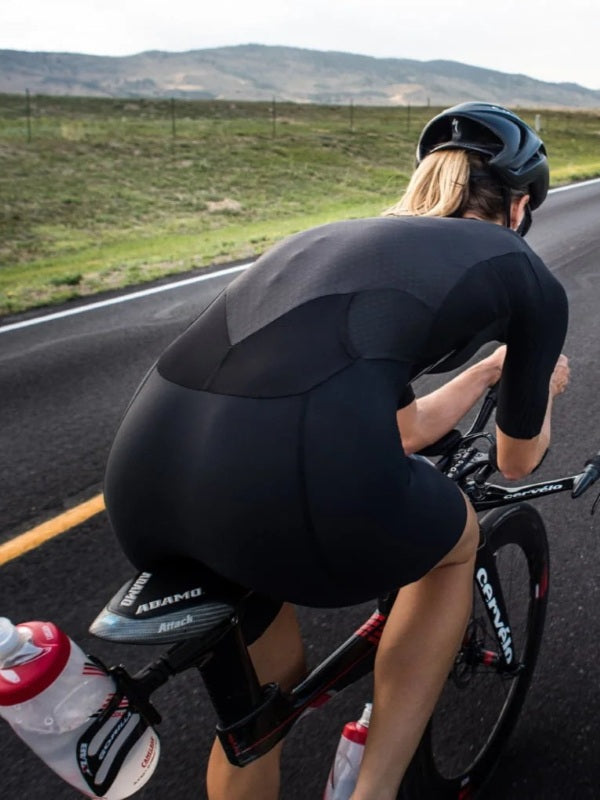

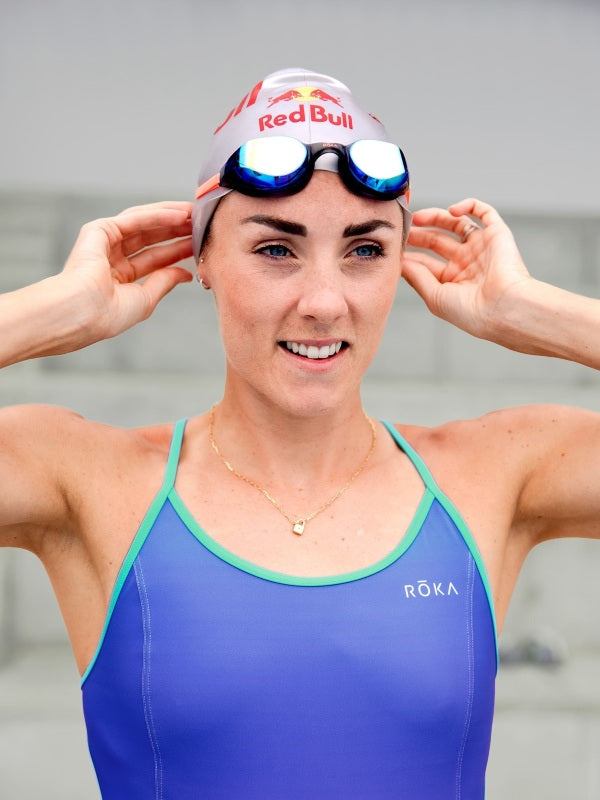













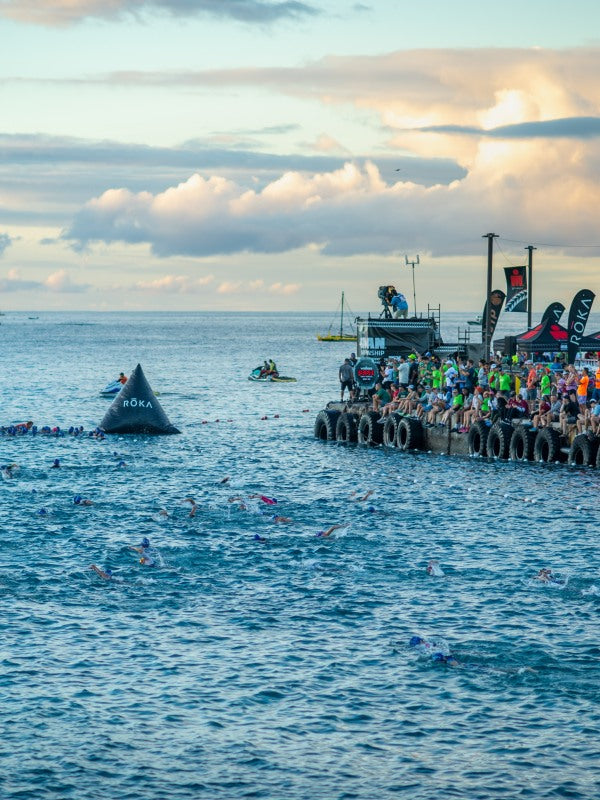

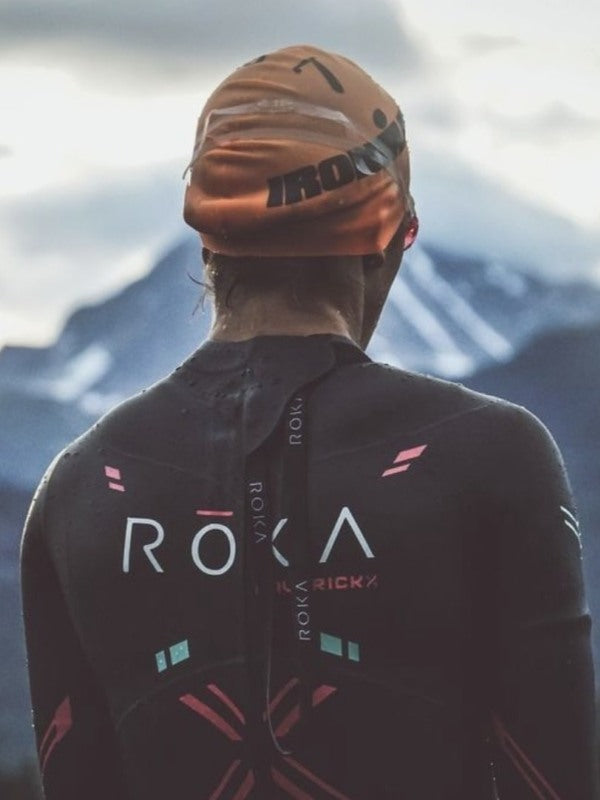

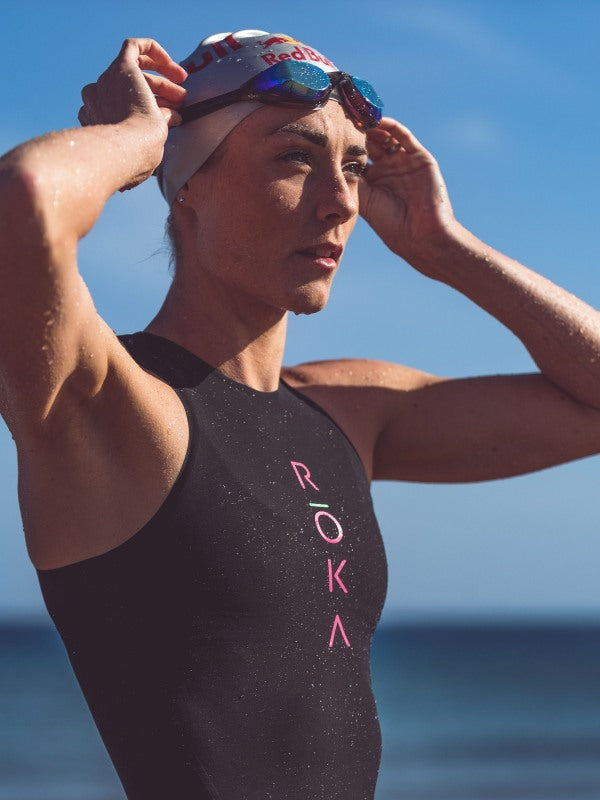



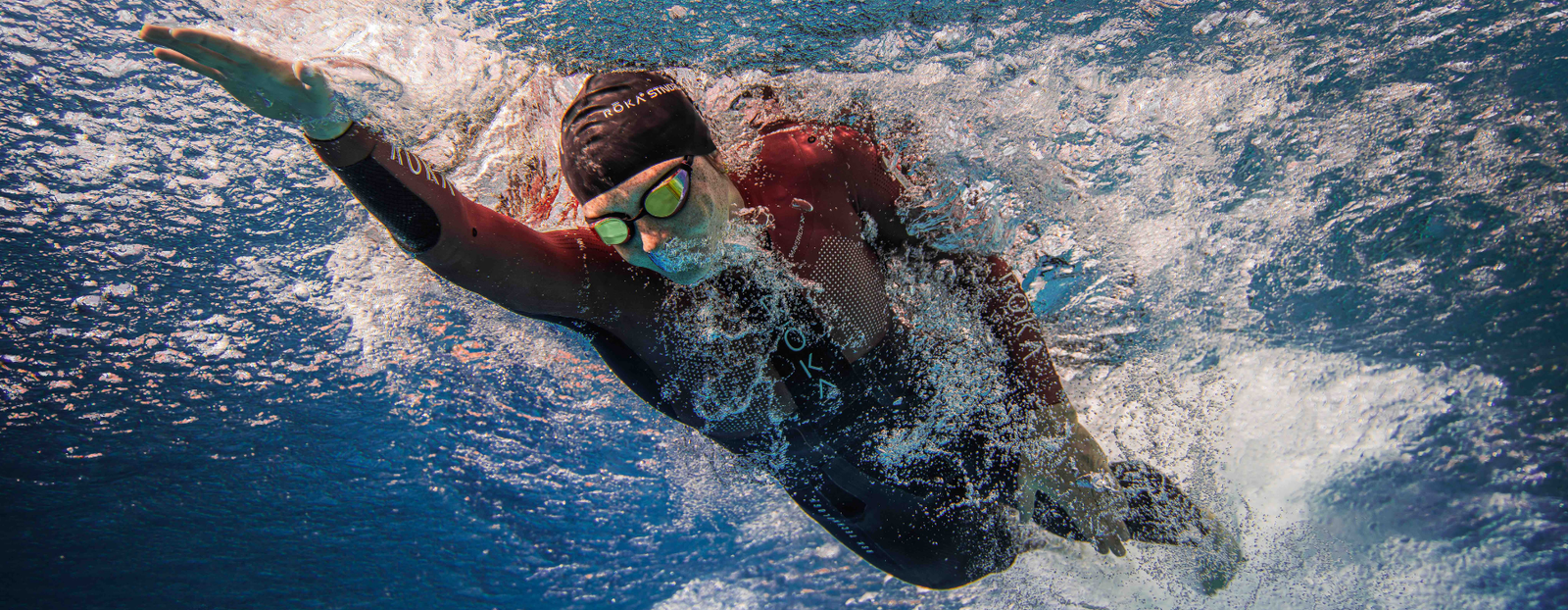

The journey to the finish line starts with the swim. It’s exciting and awarding, and sometimes cold.
What exactly is cold water? “It varies person to person,” says Gerry Rodrigues, USA Triathlon swim coach and Tower 26 founder. “Some folks, their core runs warmer, and they’re able to tolerate a colder water. Some folks run a degree colder, and the water feels a lot colder to them at a higher temperature.”
For most athletes, Rodrigues says, temperatures below 70 are just a number to them. But water below 70 can have physiological effects, including increased heart rate and blood pressure, that can impact pacing, breathing, and comfort.
And if you're a triathlete, you're likely going to swim in water that cold--about half of all North American IRONMAN events have water temperatures under 70 degrees. (For reference, competition pools are between 77 and 82 degrees.)
To ensure you have your best, safest swim, you have to prepare.
Below, Rodrigues shares his expert tips for acing your cold water swim.
BEFORE THE RACE…
ACCLIMATE YOURSELF IN TRAINING
You build your run and bike mileage. You need to build your cold water tolerance, too.
Ideally, Rodrigues says, you’ll complete 6 or more swims leading up to race day in water of a similar temperature. These swims should start out short—think 15 to 20 minutes—and build up to the time you expect to swim at your race.
Can’t swim in a similar temperature? Take cold showers. This can also help your body get used to being in cold water.
Always swim with a buddy, for your safety.
PRACTICE SWIM EXITS
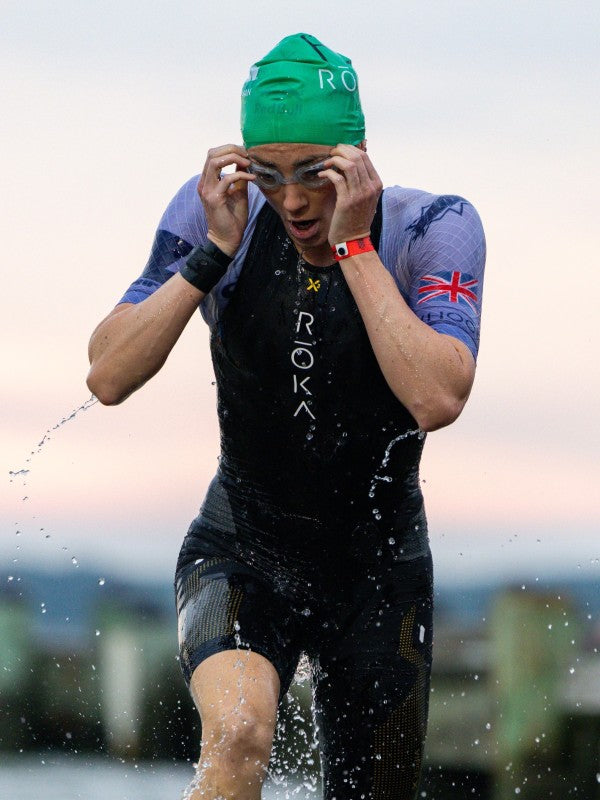
After you’ve spent time swimming, almost weightless in your wetsuit, standing up can cause a spike in heart rate, Rodrigues says. Doing circuits where you swim, then simulate running to transition out of the water, then run back into the water to do it all again, can help you get your land legs back faster on race day.
TRY A THERMAL WETSUIT, CAP, & EAR PLUGS
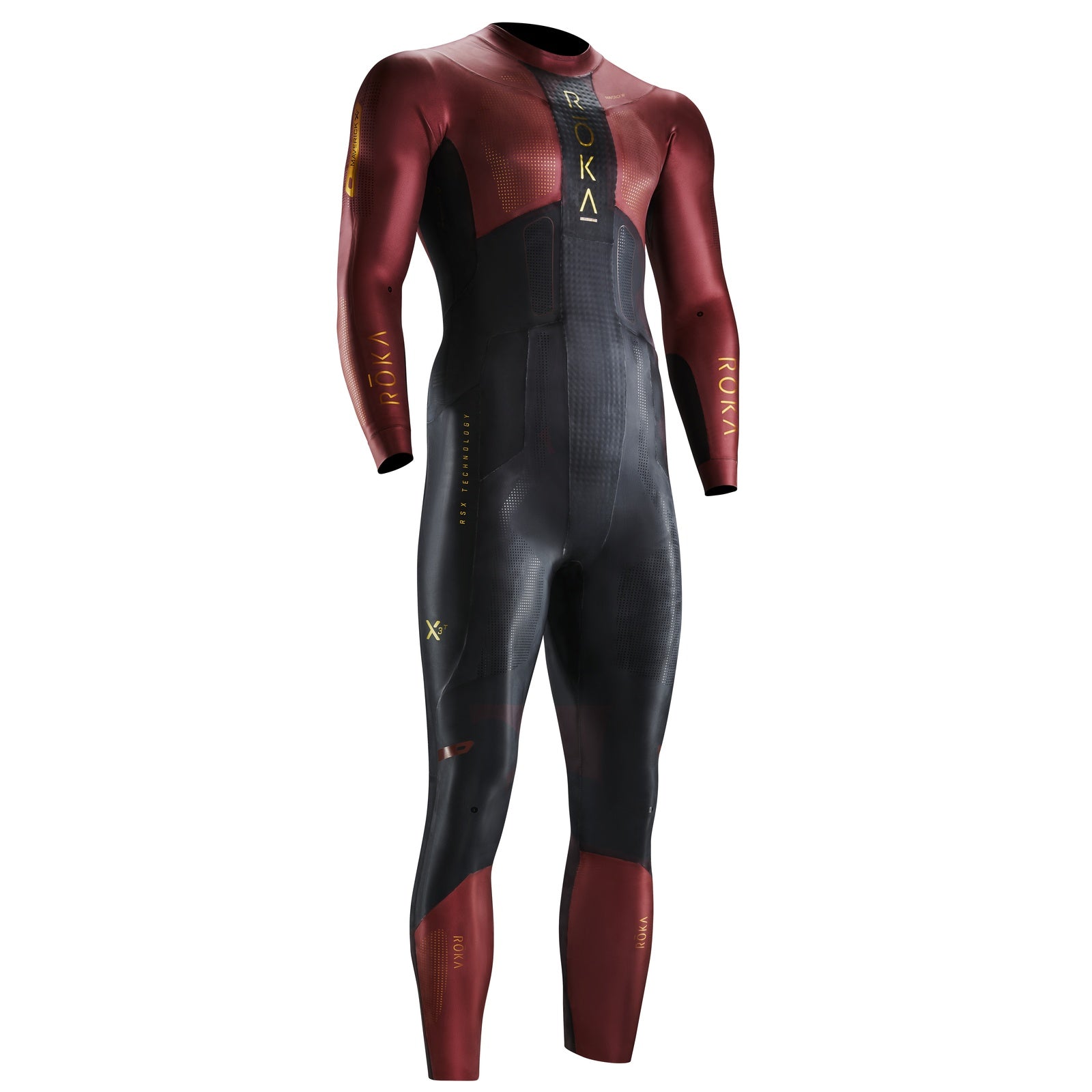
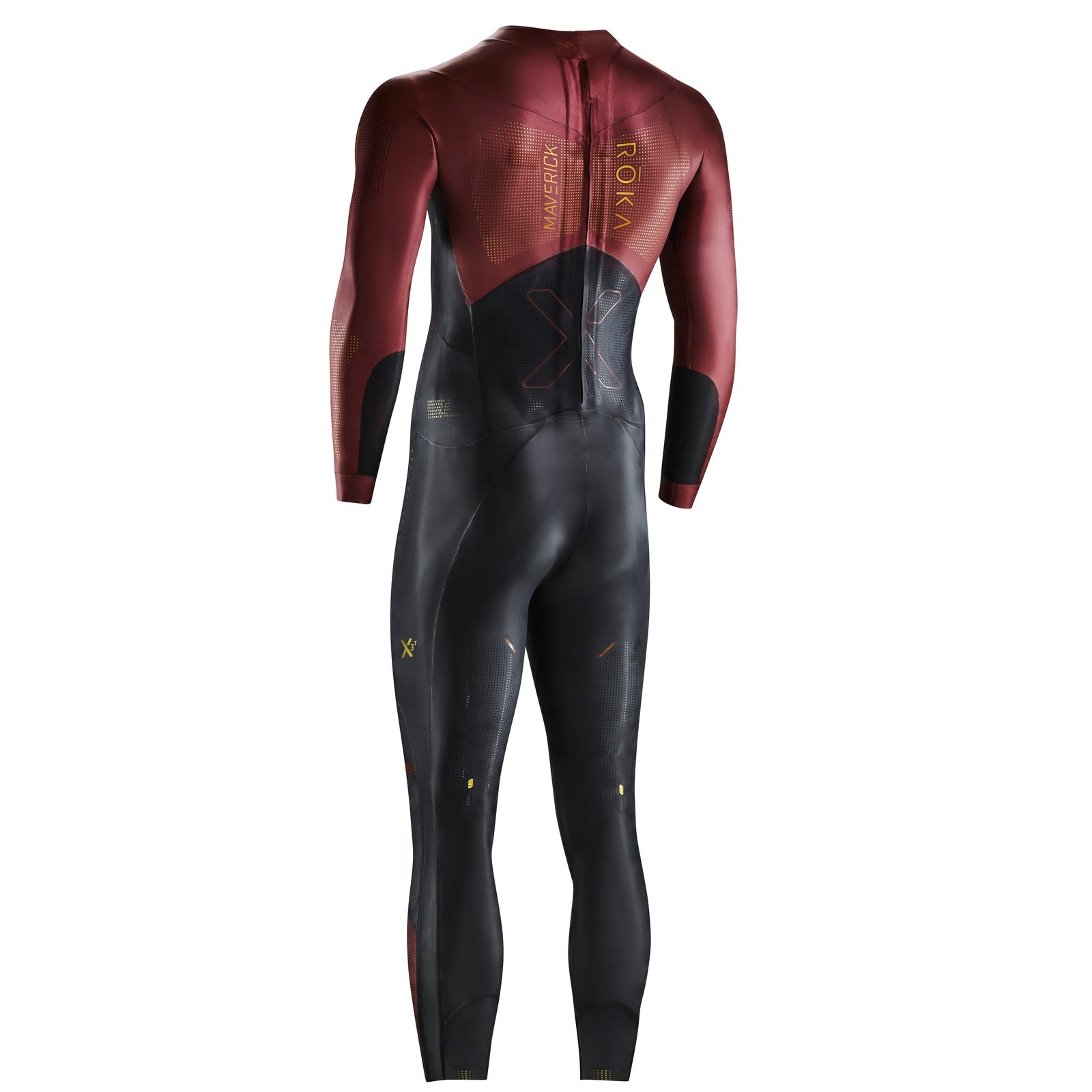
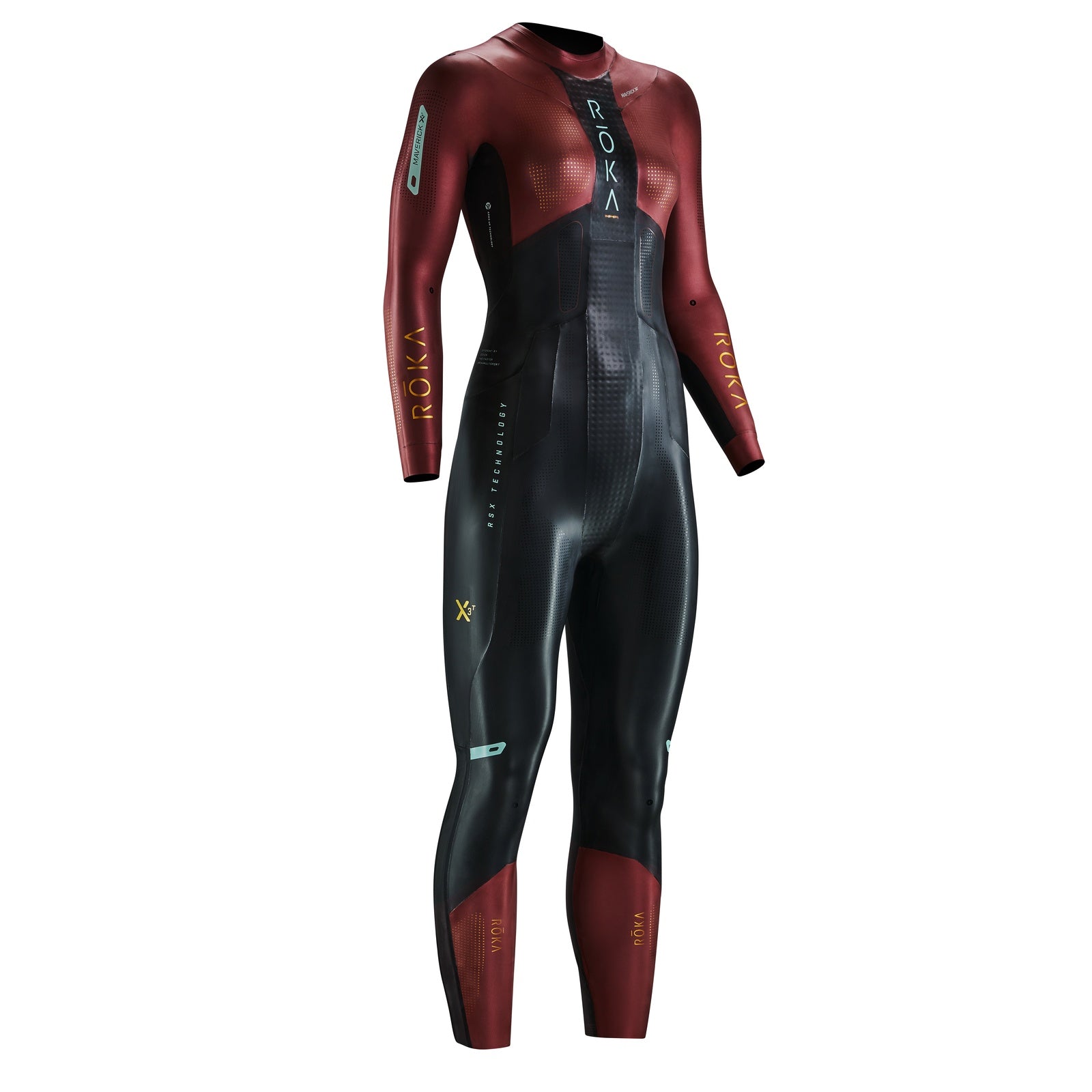
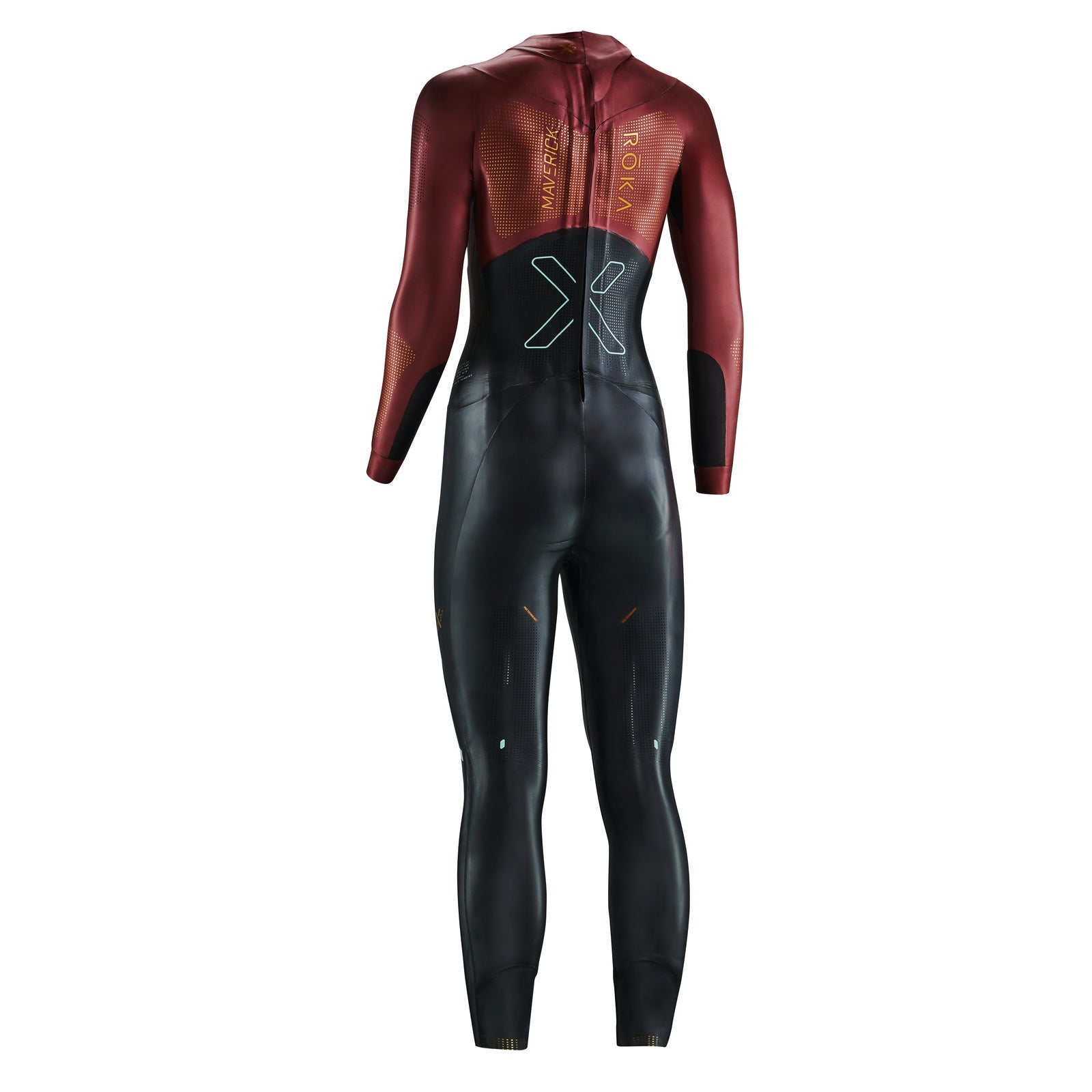
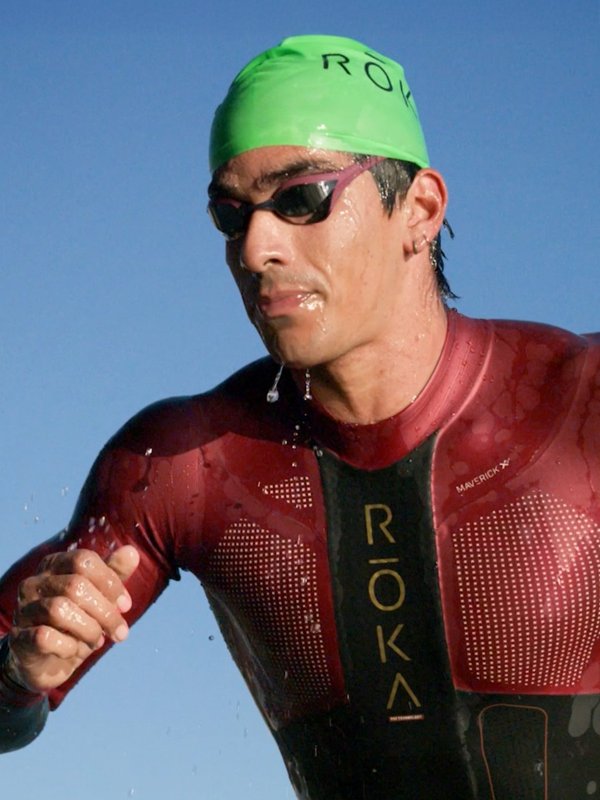
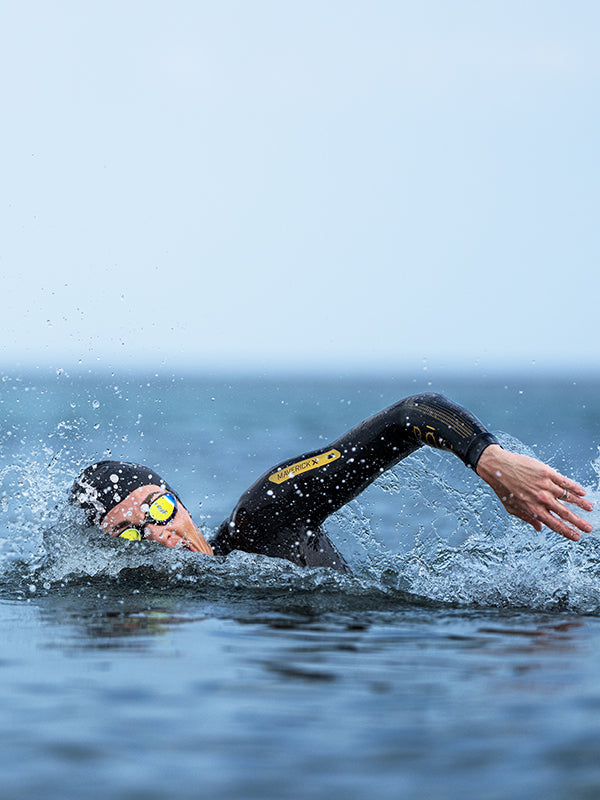
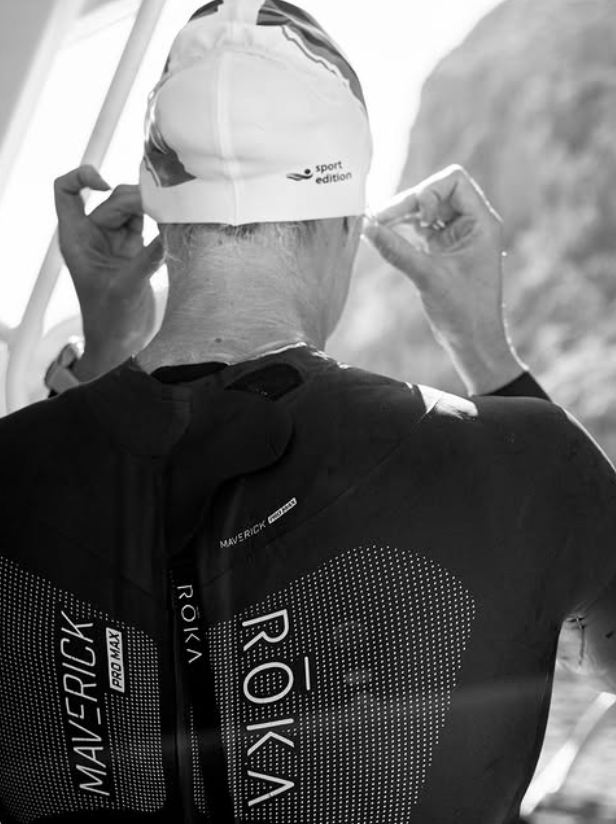
“Not all wetsuits are created equal!” Rodrigues says. The Maverick X.3 Thermal wetsuit features a premium, high-performance zirconium lining, engineered to hold in body heat to maximize warmth and performance.
Heat loss is directly linked to how much skin is exposed to the cold. You’re not going to lose all of your heat through your head, but if you’re feeling extremely cold, a neoprene hood will help you feel cozier.
Rodrigues recommends earplugs as well. They help keep cold water from entering the ear canal, where it can affect your balance and also make you feel cold.
SWIM IN YOUR WETSUIT THE WEEK OF THE RACE
Use it at least one time in a workout, Rodrigues says. Being comfortable in your wetsuit can help mitigate the chances of hyperventilation—chances that are higher when your body experiences a sudden temperature drop.
ON RACE DAY…
WARM UP
“For a lot of people, their only warm up is when they run into the water, and that is their first touch of 57-degree water,” Rodrigues says. “That is a big circle with a slash through it. A complete no-no.”
First, go for a 10-minute jog to get your core temperature up. You can run with your wetsuit on up to your hips, Rodrigues says. Then put it fully on when you’re done jogging
The water may feel too cold for a swim warmup. That’s ok. But you still need to get wet. “The athletes who don’t get into the water before their are start often have the biggest problems,” Rodrigues says, including with spikes in heart rate and breathing.
Walk into the water. “You only need to go waist deep,” Rodrigues says. Bend over, get your head beneath the water, then stand up. “Do it again and again until you get rid of the ice-cream headache.”
HOLD BACK
The cannon goes off. The coffee jitters are high. It’s easy to get caught up in the heat of the moment and race into the water. In a cold-water swim, don’t do it. “Put on the restraints as much as possible,” Rodrigues says.
Enter gently, feet first. Make sure you’re breathing at your regular cadence—every 2 or 3 strokes.
After a few minutes, if you feel good and adapted, you can get into your sustainable race pace.
NOTE: Be aware of the symptoms of SIPE, or Swimming-Induced Pulmonary Edema, including breathlessness that doesn't match your effort level, unexplained coughing, chest tightness and wheezing. If you experience any of these symptoms, get out of the water ASAP and see medical help.
USE THOSE WETSUIT PEELERS
In cold water, you can lose dexterity as nerve signals slow and your sense of touch dulls. In other words: It can be hard to unzip yourself. If your race has wetsuit peelers, use them! If not, give yourself grace as you T-Rex yourself out of your wetsuit.
WHAT ARE IRONMAN’S RULES FOR WEARING A WETSUIT?
Wetsuits can be worn in water temperature up to and including 76.1 degrees.
Wetsuits are mandatory in water temperatures below 60.8 degrees.
Wetsuits are not allowed in water temperatures greater than 83.8 degrees.
In any wetsuit-legal race, you can wear a neoprene swim cap. You must wear your race-issued cap on top of it.
WHAT IRONMAN and 70.3 RACES HAVE COLD WATER?
Again, cold is relative to the athlete experiencing it. Below is a list of all North American IRONMAN and IRONMAN 70.3 races with average water temperatures below 70 degrees. For the full list of swim temperatures for every IRONMAN and 70.3 in the world, click here.
IRONMAN 70.3 Oceanside
Swim in: Bay
Average water temp: 57
IRONMAN 70.3 La Quinta
Swim in: Lake
Average water temp: 58
IRONMAN 70.3 Dallas-Little Elm
Swim in: Lake
Average water temp: 60
IRONMAN California
Swim in: River
Average water temperature: 62
IRONMAN 70.3 Calgary
Swim in: Lake
Average water temperature: 63
IRONMAN 70.3 Victoria
Swim in: Lake
Average water temp: 64
Ironman 70.3 Ruidoso New Mexico
Swim in: Lake
Average water temperature: 65
IRONMAN 70.3 Michigan
Swim in: Lake
Average water temperature: 65
IRONMAN 70.3 New York
Swim in: Bay
Average water temperature: 65
IRONMAN 70.3 Waco
Swim in: River
Average water temperature: 65
IRONMAN Jacksonville
Swim in: River
Average water temp: 67
IRONMAN 70.3 Western Massachusetts
Swim in: River
Average water temp: 67
IRONMAN 70.3 Boise
Swim in: Reservoir
Average water temperature: 67
IRONMAN 70.3 North Carolina
Swim in: Ocean
Average water temperature: 67
IRONMAN 70.3 Tremblant
Swim in: Lake
Average water temperature: 68