

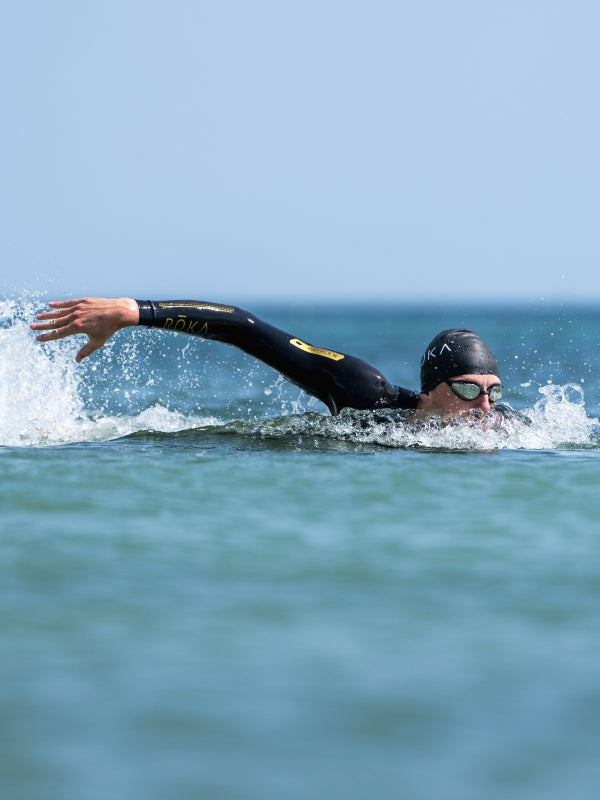




























In most triathlons, the swim is the shortest leg. But that doesn’t mean it’s a simple prologue. How you set yourself up for the swim affects everything about the rest of your race.
“When we see athletes struggling on the run, the first thing we look at, as well as their fueling and hydration, is what was their swim conditioning? It has a direct throughline,” says Matt Dixon, coach and founder of Purple Patch Fitness, in an Instagram post cheekily titled: Triathlete Public Service Announcement.
“Triathlon is not swimming, cycling, running. It's swim, bike, run. One sport, three disciplines. So the readiness in your swimming–or lack of readiness–has a huge impact on the subsequent disciplines.”
Once more for everyone zombie shuffling the run: You don’t swim train just to better your swim split. “The biggest benefit of investing in swimming is what it does to unlock your bike and run readiness,” Dixon says. “It truly is a big ROI.”
So how do you maximize that ROI?
First, understand the goal of swim training: “You want to get as fit as possible so you can maximize swim speed, yes, but get out with very, very low physical and cognitive cost. That's really key,” he says, “so the swim has close to zero impact on your ability to express your bike and run fitness.”
Dixon’s tips for achieving that goal:

1. Swim with other people
A master’s group. A tri group. “It's very difficult to align to your potential just swimming solo.”
2. Swim 2-3 times per week
That’s the ideal baseline.
3. Focus on speed and power
If you only have a few hours per week to swim train, focusing on speed and power can maximize your gains – using key drills directly related to improving those metrics, like fist drill.
“We tend to do a lot of shorter, harder intervals while retaining the best level of technique that you can.”
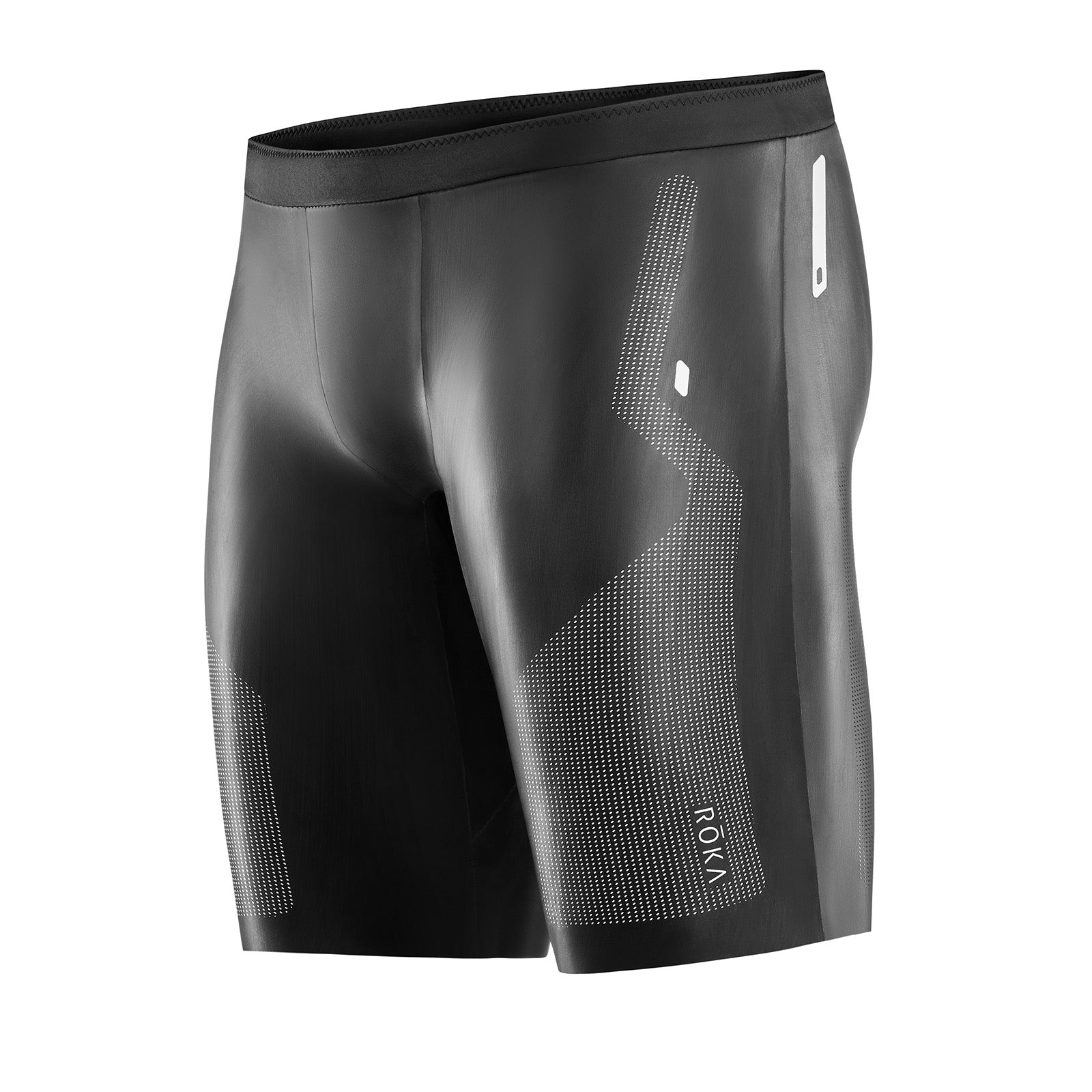
SIM shorts can help put your body in the ideal position to get in that speed and power work. If you have more time to train, spend some of it further dialing in technique.
“You want to have good enough technique, but then get as strong and as powerful as possible,” Dixon says. “Any swimmer is going to be doing somewhere around 2,500 strokes per IRONMAN 70.3, so they need the fitness and endurance as well.”
For more on maximizing your swim ROI, check out Dixon’s thoughts on finding the ideal balance between training technique and fitness.
We’re proud to support Purple Patch and all teams supporting athletes as they chase big goals.