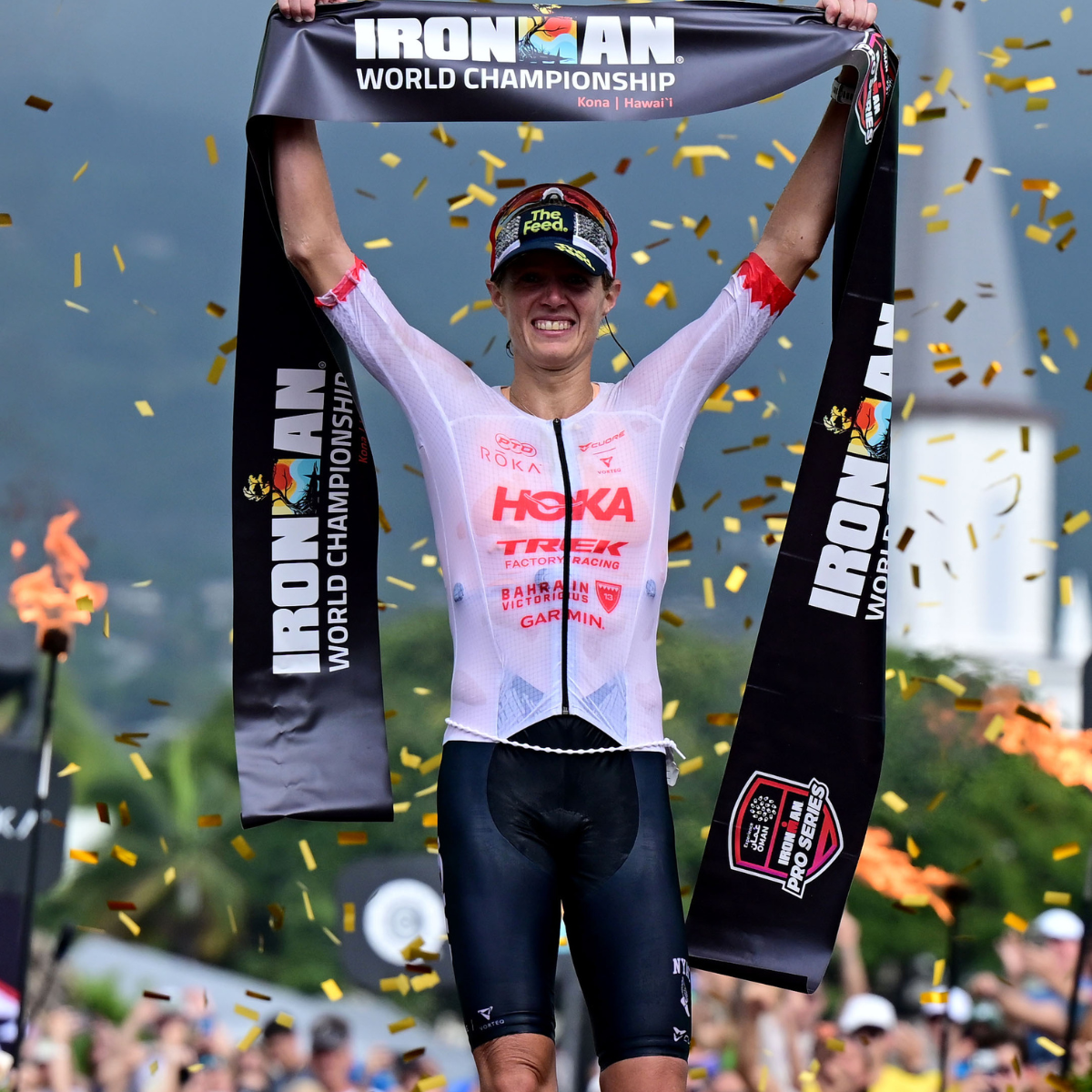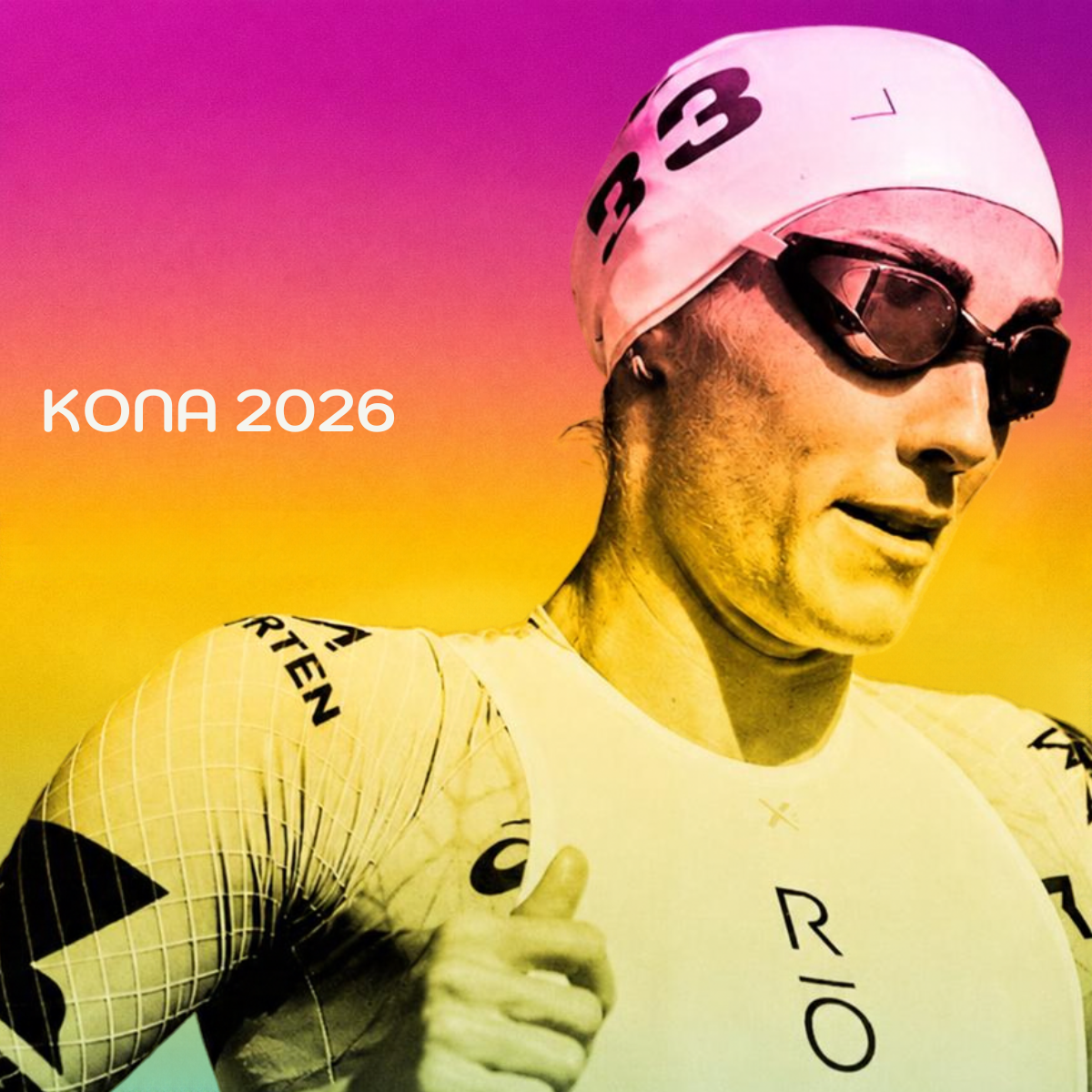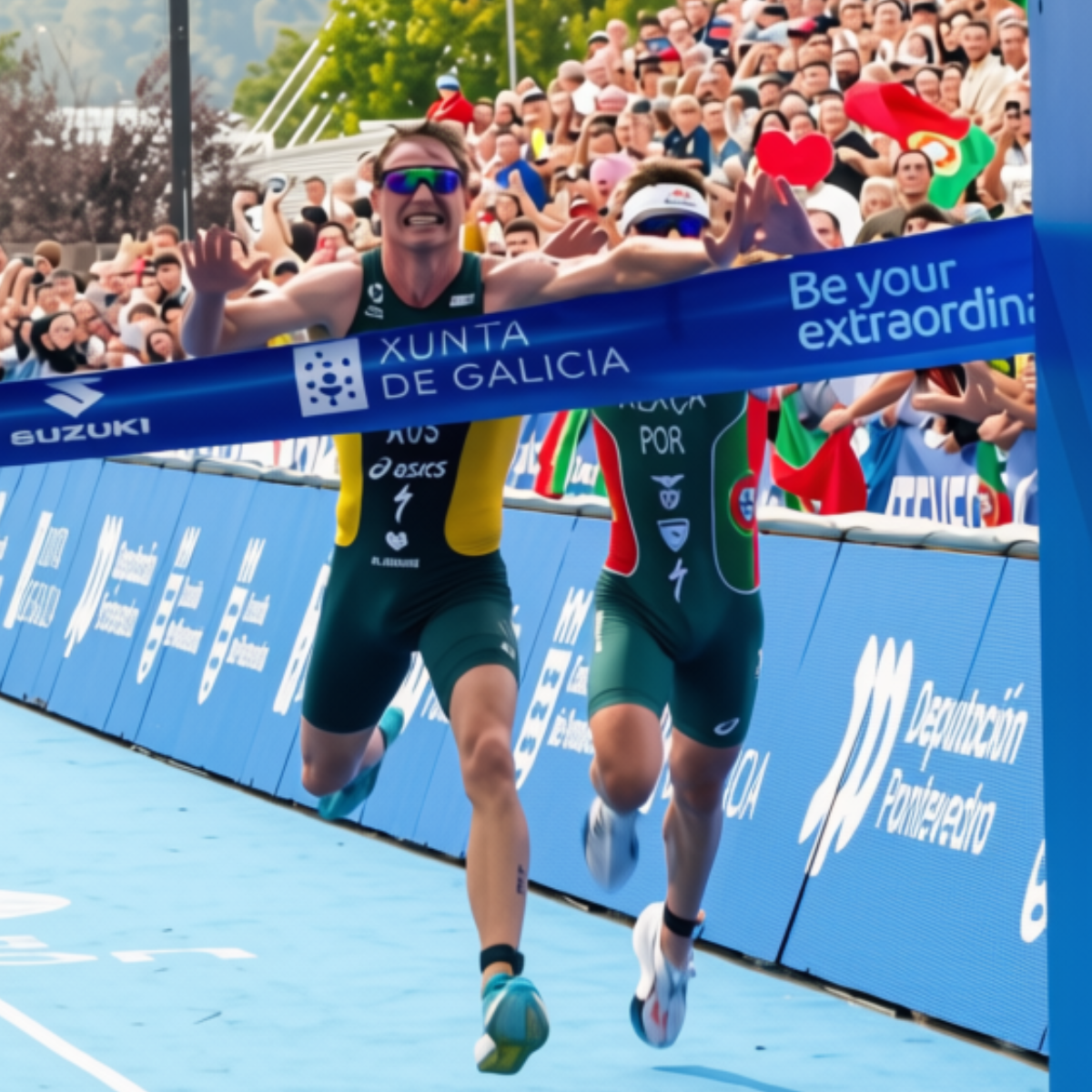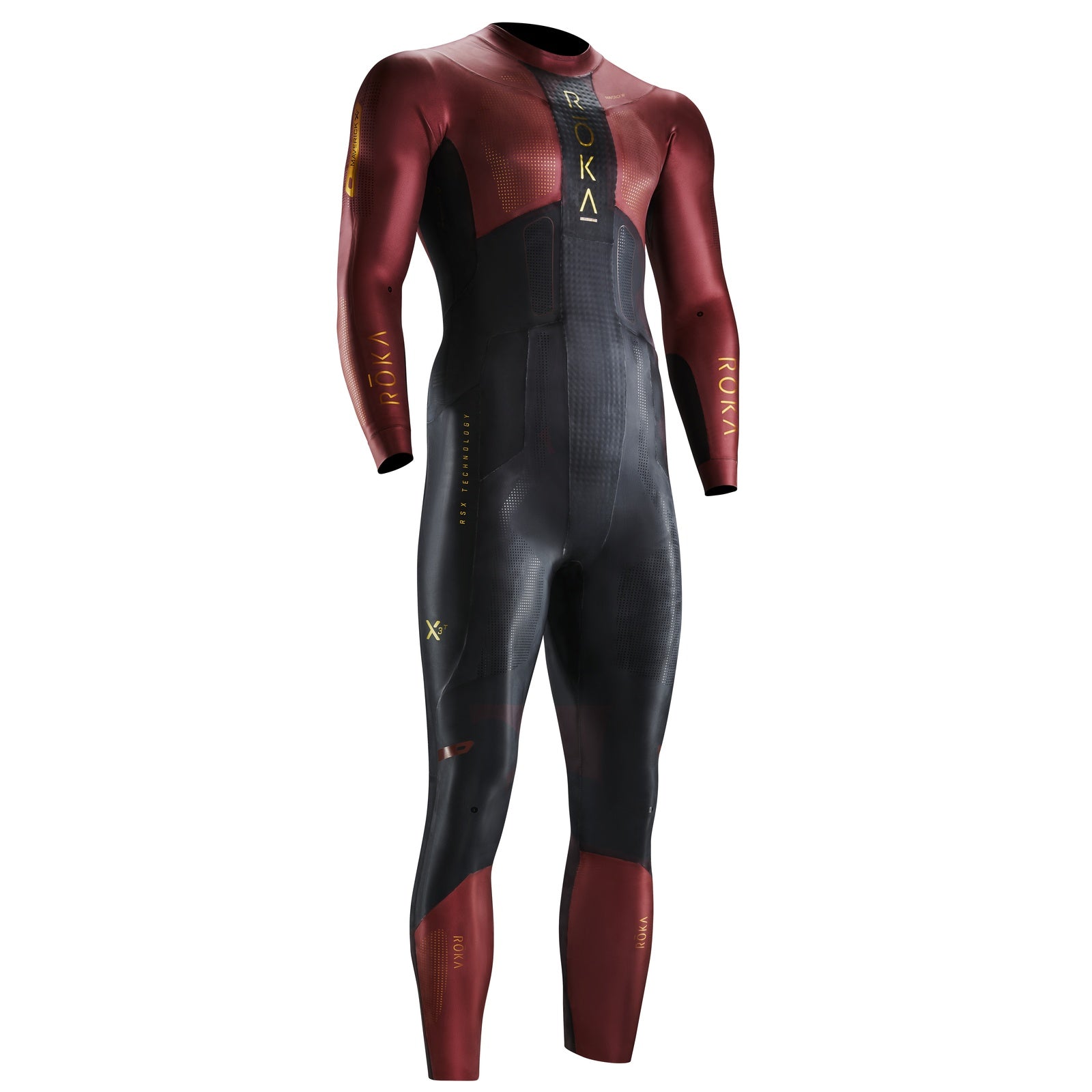







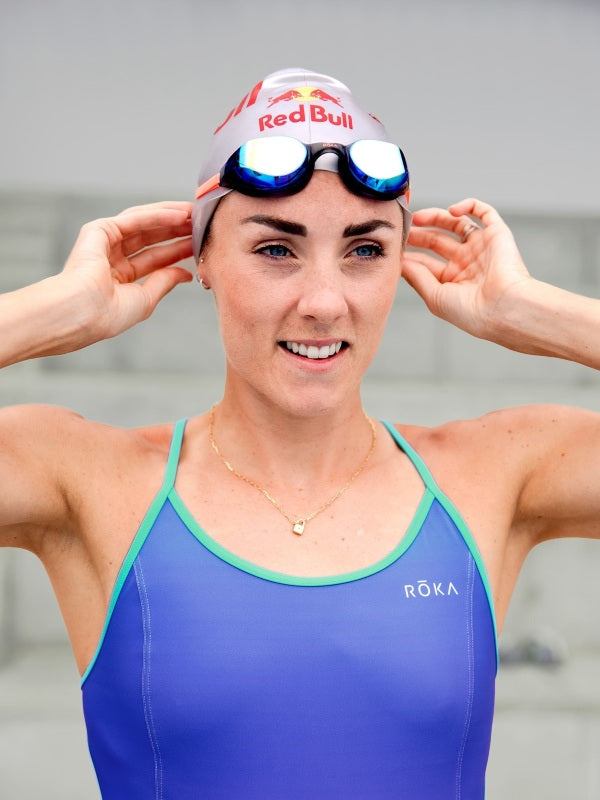







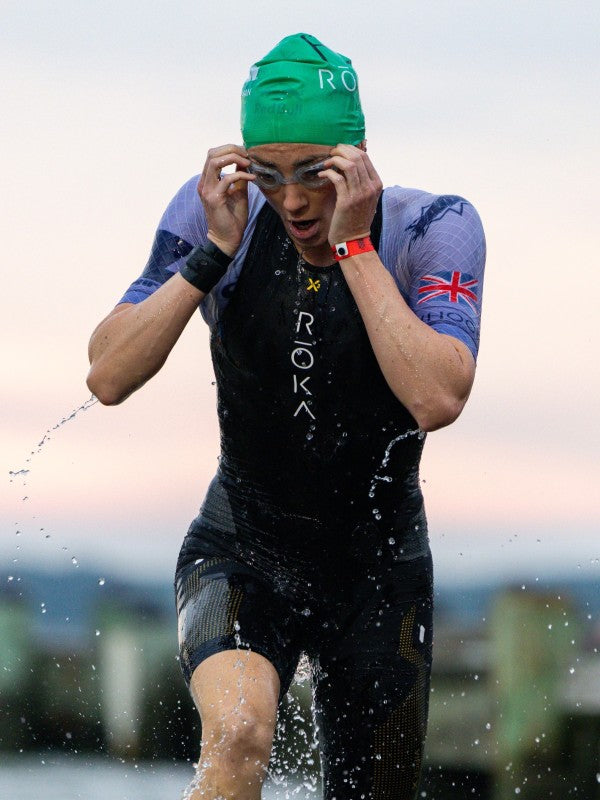




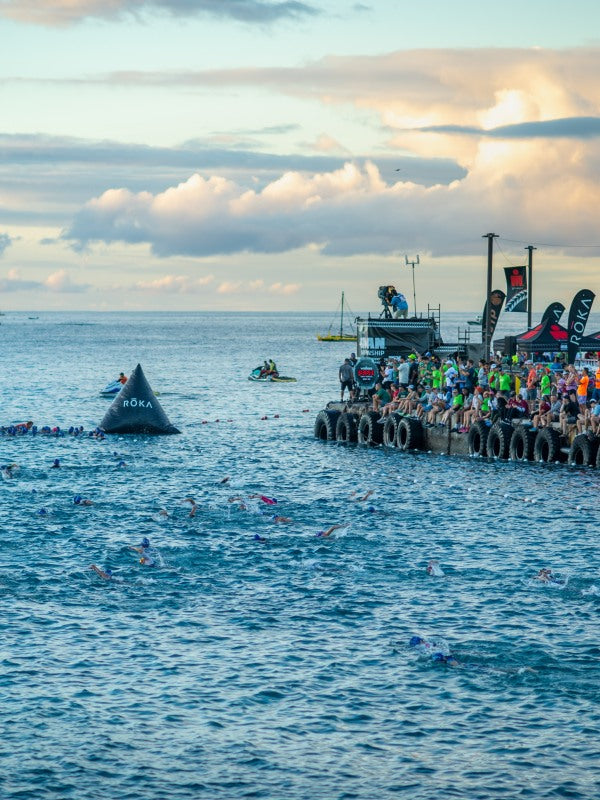




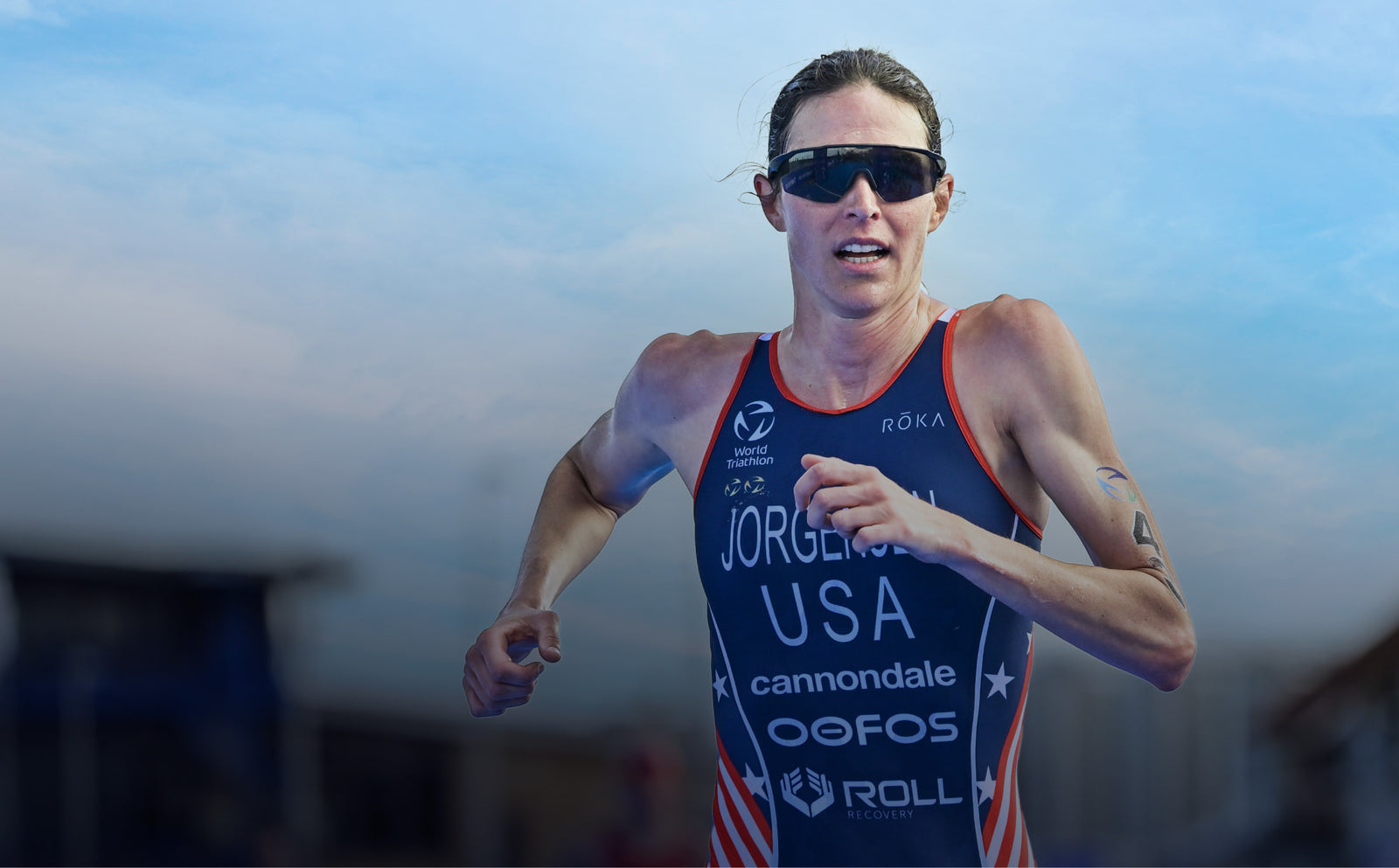

This October, Olympic champion Gwen Jorgensen came to Kona to cheer at the final women’s-only Ironman World Championship. (A vacation, she said, not recon!) On a sunny afternoon just before the race, she sat down with ROKA Multisport founder and CEO, Kurt Spenser, to share the mental strategies she’s learned and used throughout her legendary career.
From wins and world travel, to mom guilt and injury, Gwen held nothing back. Her insights are invaluable for staying motivated and finding joy, in sport and beyond.
Watch the Q&A in the video below, or scroll down to read the transcript.
0:00: INTRODUCTION
0:02: I'm gonna welcome to the stage. She's a world champion gold medalist. The wonderful Gwen Jorgensen is going to be hosting Q&A panel with Kurt and Erin from ROKA Multisport. I'm gonna hand it over to Erin, Gwen, and Kurt.
0:31:KURT: Hello. Welcome, Gwen.
0:34:GWEN: Yes, hello.
0:35:KURT: It's very exciting to see you here on the island in Kona. Is this your first time?
0:42:GWEN: At this race, this is my first time in Kona. Yes, first time at this race.
0:46:KURT: Fantastic. Everyone, everyone is wondering, are you a surprise late entry?
0:51:GWEN: Well, considering I can't really run more than 1 mile, no, I'm not racing this year, Ahd this isn't really a scope-out for for next year or anything either.
1:03: This is a nice little take along with my husband to maybe get a little vacation and a little bit of warm weather training.
1:13:KURT: Awesome, so some training and some triathlon tourism.
1:17:GWEN: That's right, yes, and a really fun year to be here, too, when it's women only. I thought that was a really cool opportunity to come out here and experience that while it's here.
1:29:KURT: Absolutely, and we have, Erin Beresini with us too, former editor-in-chief of Triathlete now helping us out at ROKA. Andwe just thought it was an amazing opportunity to share some of the incredible things that we've learned from Gwen over the years and catch up with her.
Because while she is out crushing it on the short course and this is very much a long course race,I think there's some incredible learnings that we've all gleaned from her over the years that we thought are applicable no matter where you are in your triathlon, human journey out there.
2:23: I've had an amazing opportunity to work with a lot of Olympic athletes over the years, a lot of professional athletes from relief pitchers in Game 7 of the World Series togold medalists on the ski slopes. A lot of those athletes talk about the hard work and especially on the Olympic side of things, all the sacrifices that go into fulfilling and chasing their dream.
SACRIFICE VS. INVESTMENT MINDSET
2:50: And oneof the things that really struck me the first time I ever got to meet and talk with Gwen was that she had a very different framing of this idea of sacrifice and all the things that it takes to chase that dream.
3:04: Gwen, do you want to jump in on that?
3:06:GWEN: Yeah, this is something I learned from my coach Jamie Turner, and I sat down with himwhen I was deciding in 2013 to live abroad for 10 months of the year, and I said this is a big sacrifice to be away from my family, to be away from home, and he just looked at me and said, Is it a sacrifice or is it an investment?
3:26: Andthat really changed my entire mindset.
3:29: About what I'm doing. You know, you don't go out, you stay, you stay in every night, you go to bed I go to bed by 8 p.m. every night like very disciplined and all these things and I, I really enjoyed being able to say like this is an investment in my future, and investment in my goal, and this is not a sacrifice.
3:47: This is what I want to do because it's on the path to where I wanna go. Yeah, and that's It's been an incredible framing for me.
3:56:KURT: I'm a dad of two. We have an incredible team who we're trying to grow and manage all that.I try to stay in touch with my fitness and athleticism, but it feels like we're trading one thing for another all the time.
4:10: But I think that idea,whether you're chasing a gold medal or just trying to stay on top of your personal dream and family, that idea of making investments in the right places can really be applicable to many, many folks out there.I've always found that incredibly valuable. So thank you for that.
4:28:GWEN: Yes, yes, I, I find it very valuable as well and it's a second reminder of I'm doing this for myself and, and this is not taking away anything from my life.This is actually adding to my life, because I'm following the path of what I want to do.
SET GOALS TO GUIDE YOUR YEAR
4:43:KURT: And now, you had this incredible build up. We got to see the incredible race and dream fulfilled in Rio.It was an amazing, amazing day.How has that philosophy changed or have you layered anything on top of that?
5:02:Has it evolved as you've become a mother, you've chased other pursuits, other dreams?Has that evolved for you?
5:10:GWEN: I have just multiple goals I'd say now right like before it was only triathlon and now I have a family.
5:17: My family for me likeat the beginning of the year I write down my goals and there's different facets, there's my family goal, there's my triathlon goal, there's my life goaland so for me that's that's really evolved and I think it's really made me happier in in what I do and also it's just allowed me to, I think, as I've grown.
5:40: Not be so particular. I don't care as much about oh did Patrick cut the vegetables in the right way or like am I eating at a certain time or these things, it's more, it's not so specific and instead it's for me it's
6:02: Realizing like my family comes first, then my triathlon, and then I have all these different goals that I set out to accomplish and something as well, investments, not a sacrifice is something that I really talked about a lot and then back thenI also talked a lot about the process, not the outcome.
6:20:I still have that, but I think it's changed into more just being presentand and so for me, it's, if I go to the swimming pool, let's say this happened this year, my son was sick and I went to the swimming pool.
6:36: I focused on my workout. I completely forgot that he was sick while I was working out and I got out and I'm like judging myself like am I a bad mom because I forgot during that 90 minute session that my son was homesick and.
6:47: I really, I worked through that and I really discovered that no I'm just being present and in the moment and focusing on the process andI do that same thing when I'm with my kids, right?
6:56: LikeI don't stress about workouts or think about workouts.I'm thinking about my kids and how can I be present and engaged with them and so that's something that's really I think allowed me to be.Successful and happy just being in those moments.
7:12:KURT: That's awesome.Like we, Rich Viola, who had started the Everyman Jack team, and we now as the ROKA STNDRD Racing team, he said something similar to the guys this year when we were taking off the transition.
7:24: He said, you need to take care of your family, you need to take care of your relationships, you need to take care of your career, and then you walk in and race free.
7:32: And I thought that was a beautiful way to put it, and it's really difficult to bring shortcomings or feelings of guilt or like you're not taking care of those things onto the racecourse.
7:46:GWEN: Yeah, and it's hard to manage all that, but I think It's, it's also, you grow and you learn, like, what works for you.
7:54: So for example for me at the beginning of coming back into triathlon a couple of years ago, I brought my family everywhere.
8:00: I brought them to New Zealand for a month, we went to Italy for a month, because I didn't want to be away from them at all, but what I realized was that was not what they wanted.
8:10: It's not what my eight year old wanted and soit's about learning what actually makes the family as a whole happy, and then how does that work into what makes me happy and figuring out that balance.
8:23: It’s easy to say what you just said like figure out relationships, figure out your family and you'll raise happy butthere's a lot that goes into that and there's a lot of context about figuring what works for you personally and what works for the people you care about as a whole that are supporting you and they're along with you.
8:42:ERIN: It sounds like you're so organized, setting your goals at the beginning of the year and everything. How did you come to be at this point where you know how to do that, and it sounds like it always is evolving, right?
8:58: Like if you had a family, you're learning how to do triathlon with a family, but starting out, were you always just this completely mentally awesome at everything?How did you learn to be present here and present there and let that go when you're training, and become a familyand set these goals at the beginning of the year?
9:17: Like where did you learn all of this awesome stuff?
BEING PRESENT VS. MOM GUILT
9:20: GWEN: Well, I have a great psychologist.
9:22:A lot of it's trial and error. I was born very stubborn, I would say, and so when I set my mind to something.
9:30: And I just wanna figure out a way to do it . Whether that'smy mom guilt, for instance, that was something I think I struggled with the most when I came back, and just working with my psychologist with that and thinkingthe outcome should not determine if my trip was successful and if that made it OK to be away from my family because you can't predict
9:56: The future, right, so you have information and you make decisions based on the information you have, and that's something that really gave me some freedom to say I want to chase my dreams.
10:08:I don't want my kids to think, you shouldn't go after something if you're not gonna be successful every time and so I've actually learned I think a lot from my my kids as well and looking at through through the lens of what lessons do I want to teach them.
10:22:KURT: Are there moments that you look back on now to younger Gwen that you wish you could share some pearls of wisdom from Gwen today?
TRUST YOUR INNER CIRCLE, THE REST IS NOISE
GWEN:Probably just to be more relaxed.
10:40:I needed to be perfect and I think that caused a lot of stress which actually took away from my performances. The older I get, the more I realize it just doesn't matter.It doesn't matter what people say. It doesn't want to matter what people think.
10:55:I have a very close circle of people that I trust and confide in and those are the people that matter. Once I've learned that, it's just allowed me to live my life.
11:10:KURT: That's awesome. For those who don't know where you're at right now, and what you're working on some of your goals now,you're dealing with some injury. But can you give people a big, broad picture of what Gwen's goals are right now?
11:25:GWEN: So I came back to triathlon in 2022 with the goal of qualifying for the Olympics in 2024 and did not qualify, and I didn't really know what I was going to feel like or want to do after that, and I was like, I'm just going to do it year by year and then this year I actually had a surgery.
11:46: I had a Hegman's deformity that I needed a bone to get taken out of and it really made me realize what do I wanna do long term, because I could have finished up the season and been done. Or did I want to get the surgery and, and continue for another 3 years? That was a very easy answer for me to want to continue for more years.
12:13:I'm 39, but this is something that I love doing sport and I think for me,itmakes my love right now for the sport, really makes the highs and lows a lot more I'd say manageable.
12:29: It just imakes it more enjoyable on the whole right? I love going to placesI really enjoyed these past few years like seeing new locations and just enjoying the experience more which my younger self did not.
12:44:I think I took a lot of that for granted or just didn't care and so I get a lot more enjoyment out of what I'm doing now.
12:50:KURT: And now going way back, you, you did not grow up a triathlete per se.Can you, that your love for the sport, your relationship with triathlon,can you just take us to where you started athletically, how that evolved in the triathlon and then how your relationship with the sport has evolved?
13:09:GWEN:I grew up a swimmer, loved swimming growing up, which is kind of ironic now because that's what I really dislike, but, yeah, I was in the water constantly.
13:19: It's all I wanted to do and then I went to the University of Wisconsin Madison where I swam and was the worst on the team, so I was good enough to be D1 but not very good and then.
13:33: I was always kind of crushing it in dry land, and I had my coaches say you should try running so I tried running and we've had some instant success.
13:43: NCAA All American switched over to running and then got recruited into the sort of triathlon. And when they recruited me, I only thought of this calling Ironman. I had no idea they were short course.
13:54:KURT: What was that phone call? Who calls you and what did they say?
13:58:GWEN: This is a very long recruitment process.I'm very stubborn and I do not like people to tell me what I should do or not do.So it was a lot of work by Barb Lindquist, who was USA Triathlon’s, college recruitment program person, I think I'd met her.
14:15: For the first time at a track meet maybe NCAA's and I gave her my phone number and she was more of just a mentor for probably a half of a year to year when I wasn't even doing triathlon I said look, I give you my CPA.
14:28: I have a job with Ernst and Young. I'm doing that. I wanna be able to support myself. I don't wanna do triathlon, because I want something that I know I'll be good at and that I can support myself in. So it was a very long process.
14:45: But she stuck with me and I just started doing triathlon andI qualified for the Olympics less than a year after doing my first triathlon. So it's pretty crazy, but looking back,triathlon definitely found me, but I found so much through triathlon.
15:02: I've been given so much support. I found my husband.I wouldn't have the family or life I had now without it, so I'm very grateful.
DESIRE VS. EXPECTATION
15:11:KURT: Anddo you feel like your relationship with the sport evolved over your initial arcand then you stepped away to pursue your goals in the marathon and then coming back to the sport.Can you talk about how that evolved for you?
15:25:GWEN: I've always just kind of followed what my heart wants to do, I'd say and after winning gold in Rio, I felt like I accomplished everything and I was just like I've done that. I've checked that box. I'm ready to move on and and coming back to triathlon now after running, I ran.
15:46:I really wanted to do marathon running.I ran for a quad,but I was constantly injured with tendon issues, and it just was really hard on my body and I never actually really got to do those marathon runs that I wanted to do.
16:07: I did 5k more and 10k, and then, yeah, I got pregnant with my second son George and started swimming again and was like, I don't hate swimming, so.
16:20: But yeahit was like maybe I go back to triathlon and I went back to it and my first race was terrible which actually encouraged me a lot.I thought wow, I have so much to learn and so much to relearn and get back into the sport andit just was something that sparked something in me.
16:38:KURT: For the record, but we love people who hate swimming or struggle with it.We just, we like to help them hate it less.
16:45:GWEN: Yes, yes, and if all the water was as beautiful as it is here, I think everyone would love swimming. It's just amazing.
16:53:KURT: Yeah, and, I thinkpeople are really curious about pursuing single sport versus multi-sport and how your body feels, how your energy systems work, and I think you have a really unique perspective on that.
17:06:Is there anything that you've learned or like to share or have seen in sort of your transition back into multi-sport training?
17:15:GWEN: Yeah, I would like to do another marathon one day and I realized that my body does not handle 120 miles a week very well. So to be able to realize now that, ohI can get the endurance from other sports and do less run volume and more quality, that's something that is definitely in the back of my mind that I want to experiment with someday.
Not necessarily, on the professional level, I want to get the most of myself, and I think I can run faster than I've run, but I, yeah, it's something that I definitely think about a lot with how the training when you do more than one sport, it really compliments each other.
17:56:I've had some of my fastest running in races when I've when I've been doing swim, bike and run, which is interesting.So it's definitely something that I think it's healthy and good for your body.
18:11:KURT: Erin and I both have 2 young ones. You have 2 young ones now. Can you talk a little bit about balancing multiple kids with multiple sports and everything at home? Anything that you have gleaned or tips or tricks you'd like to share with the other parents out there?
18:33:GWEN: Tips or tricks,get help.Don't be afraid to ask for help.Patrick and Iwith our first child, we got no help, no daycare, no. Nanny, no nothing, no grandparents lived by.
18:49:I think it put a strain on all of us andonce we've gotten help with a second child, it's been a lot more enjoyable.I feel like I've been able to give more to my children and for me I think it comes back to what I kind of talked about earlier about just being present so.
19:06:If I'm with my kids, I'm not on my phone, I'm not doing travel and stuff. I'm not thinking about other things.
19:13:I'm being present and I'm spending that quality time with them and when I'm away from them, same thing, I'm not thinking about them, sofor me it's all about like trying to be really intentional about what I'm doing and and focusing on that in the moment and I find that for methat's given me just a lot of quality in what I'm doing and allowing me to pursue my goals and be a better mom than when I come home with them.
EXTERNAL VS. INTERNAL PRESSURE
19:39:KURT: I think another amazing thing that I've seen in your evolution as an athlete is you have had to manage both extreme external pressure with your own internal stubbornness and your own internal pressure, but I feel like you have a different perspective, there's a different vibe from you now as an athlete than when I first knew you in 2013, 2014.Can you talk a little bit about external versus internal goals and pressure and what you've learned?
20:14:GWEN: I definitely have way more internal pressure than external, and I would say that's been my entire career in life.I remember going into the Olympics and I just remember thinking in 2016 like if I get a silver or bronze, this is just complete failure and for me,that was all just internal none of that was external pressure.
20:42: I thinkI just always want to get the best out of myself and I know what I can do and so for me it'sputting that pressure on myself to perform at my best and I think that can be a good thing in a way but yeah I think now.
20:58:I still put that pressure on myself, but the highs and lows are so much easier for me to manage just because I truly love what I'm doing and I'm really appreciating it. I get really frustrated when I have bad races. But for me it's easier to handle that roller coaster just because I truly do enjoy what I'm doing and I don't really see it ending anytime soon because it is a really fulfilling thing for me.
21:32:KURT: Do you think that the swimming background,do you think it's nature or nurture the internal pressure?Because I, I feel like a lot of the swimmers that I grew up with, we also have that internal coach or critic, the clock doesn't lie kind of mentality.
21:49:GWEN: That's a great question.I've never thought about that. I think for me, since I was young I've definitely had that and I don't know if that's from swimming or if ymaybe personality wise you then choose swimming, right?I have not put much thought into that.
22:10:KURT: For me, I try to explain to folks like with swimming, it's the, the distance is controlled, the temperature is controlled, the clock does not lie. 59 seconds is 59 seconds, and if my goal is to break 59 seconds and I go a minute.
22:25: It feels, it's tough as a kid, but there are good lessons to learn. But I've had to learn as an adult to manage those things that the world is not as clean and objective as a 100 freestyle.
22:39:GWEN: Even a 100 freestyle is not clean and objective.I mean, what did you do the day before? Are there stressors in your life?Like there's so many things that go into that, and that's something that I wish when I was a swimmer I would have known. I was very unhappy because when I was a child swimming, I think I put a lot of my worth into the outcomes.
23:04: I felt like I had to do X Y Z in order to validate what I've put in and what I've done and I've I've realized like that's that's not life, right? Like you try your best. I think about it as well. Like what would you say to your kids if they've been working really hard, they go out, they do a swim meet, right?
23:25: You wouldn't say like, well you can do this. I know you can because you've done it and it was the same temperature.That's not life.There's so many different variables and I think we as humans we're not robots, we're human and, and we need to give ourselves that grace on race day and and every day.
23:43:ERIN:Is there a specific inflection point in your career where it went from this internal pressure to feeling joy about the sport? Was that like a gradual move, or was there a moment where you're finding joy in it? From it being more like being hard on yourself, to being like, I really love this. I'm really happy about it.
24:07:GWEN: Yeah, that's an interesting question.I think towards the end of my first career in triathlon, I was feeling less joy, and, and so when I reentered triathlon, I think that was kind of I guess like a moment of refinding that joy in the sport.
FINDING JOY THROUGH BIG CHALLENGES
24:31:ERIN: That was something I always admired about you is that you could see the external pressure and then when you got your gold medal and decided you wanted to run. Everyone's expecting you to go back and try to get another gold, I thought that was really cool becauseI don't think a lot of people know themselves that well to be able to say: No, this is what I want to do and I'm gonna pursue it.
24:53:GWEN: Yeah, I mean I definitely knew after that that I wanted to start a family and have kids and like that was my next thing that I wanted to to invest a lot of time in and then yeah try running as well but yeah I knew that.
25:10:For me to find joy, I needed to see a big challenge, and yes, it would have been an immense challenge to win another gold medal, but for me I was kind of like, oh I've done that.
25:21:I want something new and something that would engage me in a different way and soI guess I don't always make the best financial decisions in my career that way, but for me, I really think in order to perform your best and to be happy like that is priceless, right?And so for me I've always just followed that and you think they had a supportive family through all of that.
25:46:KURT: Investments in your own happiness.
25:48:GWEN: That's right, yes, bring it full circle back to the start.
25:50:KURT: Yeah, and I think, I think for a lot of the athletes that are pursuing their first Ironman or their 100th Ironman, it requires a lot of time and investment, and I think, you're an incredible example of being able to step away from expectation and follow what you truly want to do in sport. It seems like you are finding joy and health and happiness and success.
26:17:GWEN: I still have expectations. I think everyone has expectations.All these athletes when they show up and race, they're going to have certain goals, and I think that's amazing and great. Butbeing able to know at the end of the day what is driving you and what's motivating you and having goals outside of the outcome goals that you know you can accomplish as well every day.
26:46:KURT: You really for me defined an entire generation of the sport–an era that was incredible to watch, and I think we're at a moment where we have an opportunity to grow the sport again. I think there's a lot of interest in pursuing hard things right now and health and wellness, longevity, endurance, resilience.
27:08:Are there things that you would like to see out there in the world or things that we can do as a community, as a group to help grow this sportand implant some of those healthy lifestyle, mindset, decisions, ways to look at the world and themselves in the next generation of triathletes?
27:25:GWEN: Yeah, I would just love to see more opportunities for younger athletes to get into triathlon.Like I said earlier, I didn't even know that short course Olympic triathlon existed when USA triathlon approached me.
27:43: Thoseopportunities for kids is something that's really important to help grow the sport,and help encourage a healthy way to exercise, have this balance, not really need to specialize in everything.
27:58: Triathlon could help with just having this more, learn how to swim, get on your bike, run, do all these different things, and just to have a healthy outlook and a healthy outlet going forward.
28:13:KURT: Yeah, it seems like if all of our kids could swim safely, learn to ride a bike, and be mobile in their communities and find fitness anywhere through running, that we would be in a pretty great spot.
28:25:GWEN: It would be a pretty healthy, yeah, country, it'd be amazing.
28:30:KURT: Are there, any questions from anyone out here for Gwen while we have while we have her?
28:40:AUDIENCE: Do you plan to come to Yokohama next year?
28:49:GWEN: Yes, I do plan to come to Yokohama next year. It's one of my favorite places to race, great, culture, great food, and great race.
29:02:AUDIENCE:You have raced all over the world. Are there any highlights or favorite race courses or cultures?
29:11:GWEN: I definitely like racing in Asia, so, yeah, Japan, South Korea, and then to some pretty amazing places that are Miyazaki. Those are my highlights, so yeah, it's been pretty amazing.Oh, and I like racing in the US, of course, we need a few more races for me in the US. We just don't have many.
29:36:KURT: Maybe a 70.3, Olympic distance?
29:43:GWEN: Yeah, more Olympic distance.
29:46:KURT: Well, I can't thank you enough. It's been an honor and a pleasure to get to work with you and every time I get to see you, it's great. So thank you for doing this with us. We really appreciate it.
29:57:GWEN: Of course, yes, and thank you to all the athletes and good luck to everyone this weekend.
30:02:KURT: Thank you, Gwen.