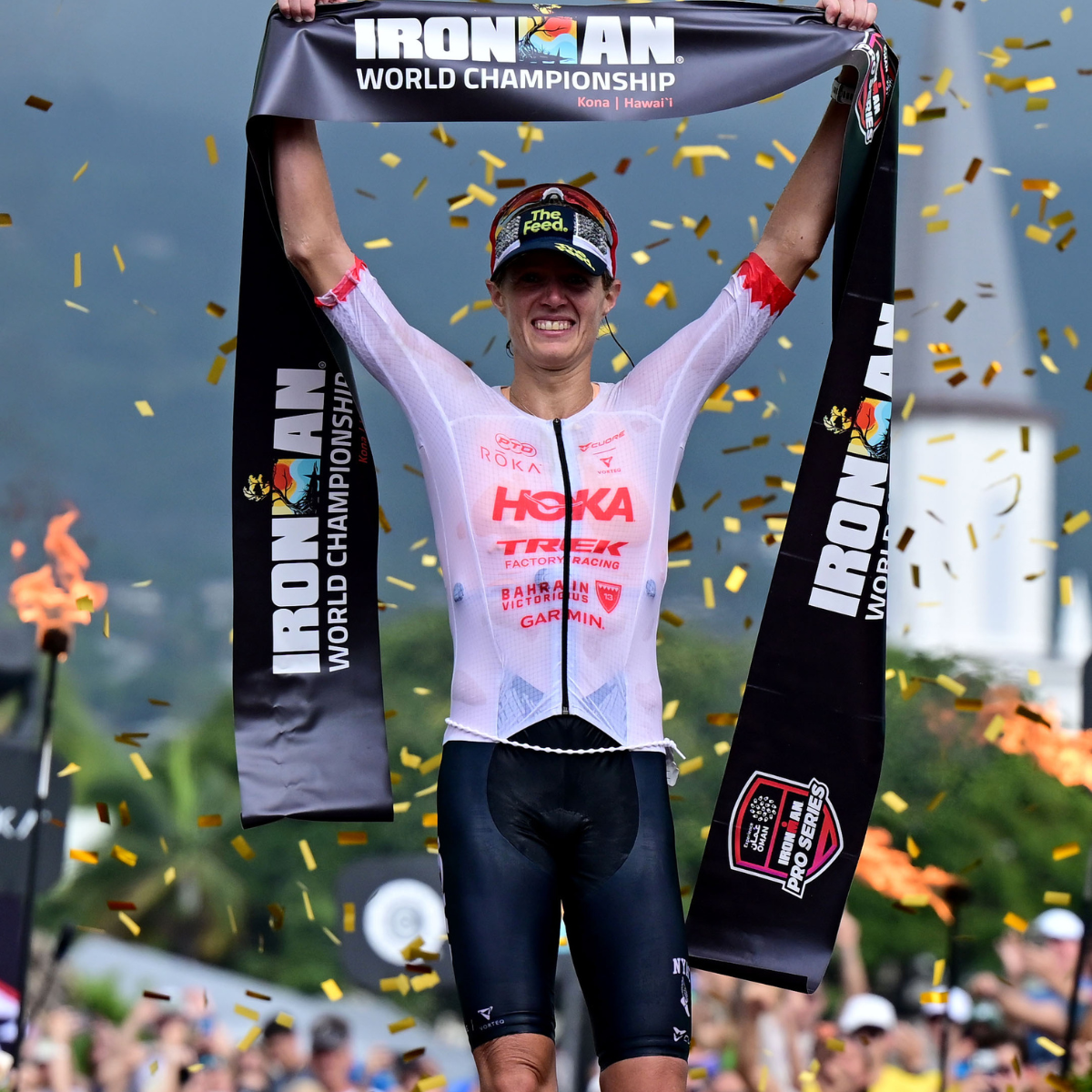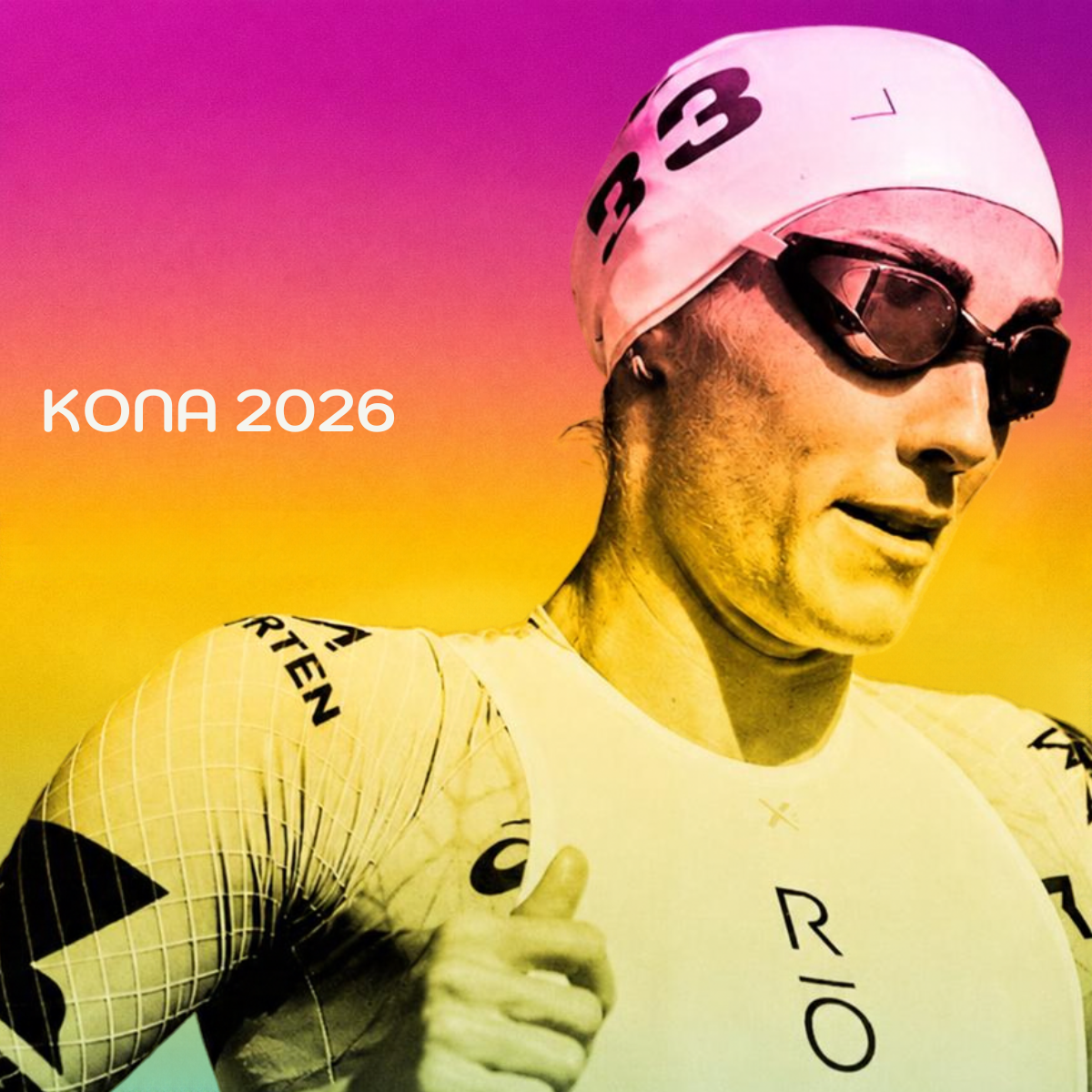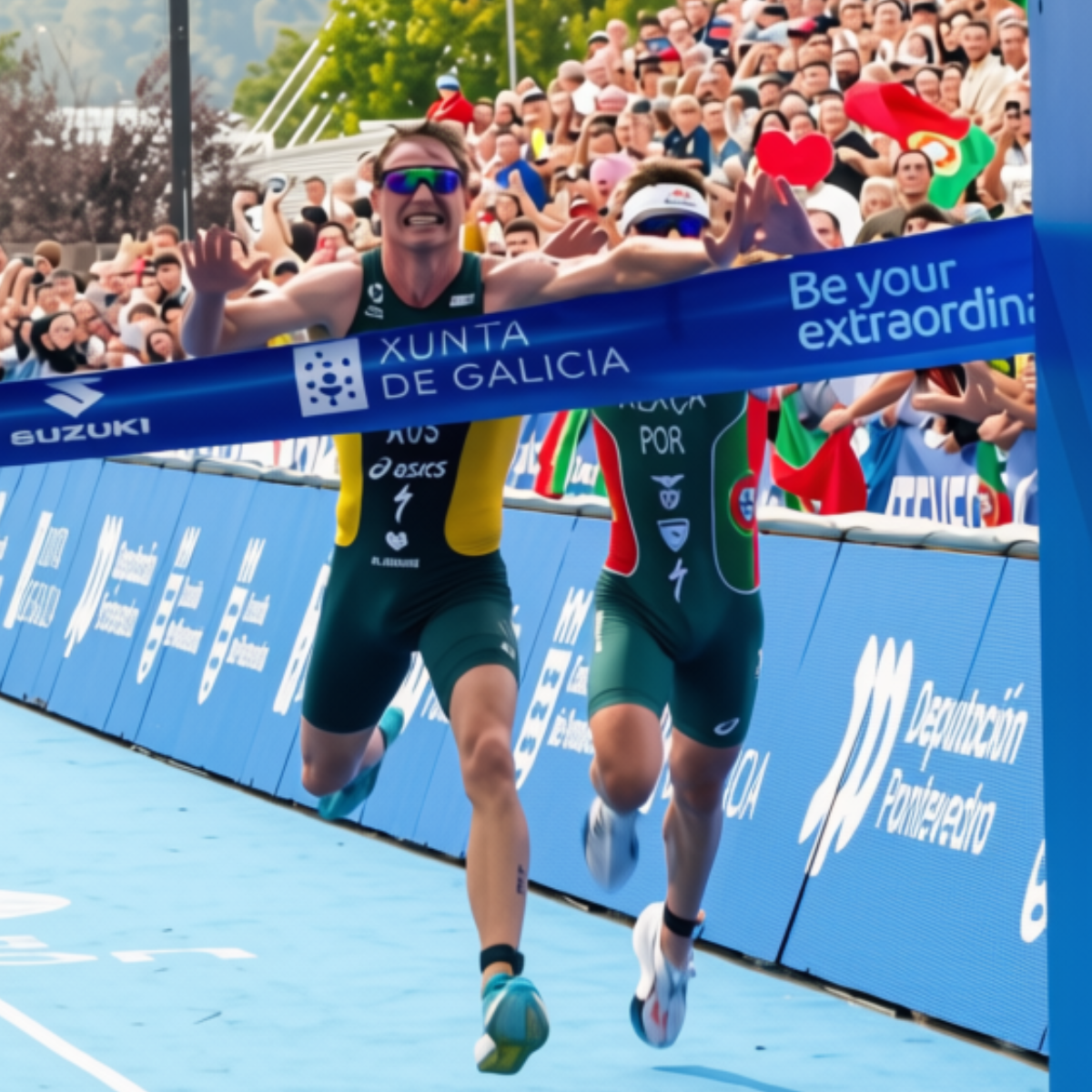


























ROKA STNDRD Racing team founder, Ritch Viola, has a philosophy that’s guided the team from day one: Family right. Health right. Career right. Race free. Countless AG podium finishes prove it’s a winning formula. But how do you actually nail it?
We asked experts in health, training, and racing how to build the super foundation designed to support a dream season. To set yourself up for the best chance of everything aligning, so you can truly race free.
Meet the experts:
Dr. Christopher Strawter - Pulmonologist, Critical Care Specialist, and triathlete
Meredith Kessler (aka MBK)- 11x IM champ, 23x 70.3 champ, coach
Jesse Thomas - IM champ, 70.3 champ, 6x Wildflower champ, Picky Bars co-founder
Presenting 12 tips for #findingfaster in 2026:
1. Lock in Your Life Logistics Now
Organize your annual checkups, and non-tri events as much as possible, MBK says. And if you have children, sort out their school schedules, activities, and doctor or dentist appointments now as well. “Clearing these items early removes stress and frees up valuable mental space during the prime racing months.”
2. Share Your Season Plans
“Share your plans with the people around you so they can be part of the process,” Jesse says, “and better support you through the hard times, when you might have less to give them.”
For Jesse, who co-founded Picky Bars and ran the brand while he was racing pro, that meant letting his family and coworkers know it’d be pretty gnarly in April and May. In June, he’d have more space,. August and September would be tough again. Then come the middle of October, he’d plan non-tri related family time.
3. Know Your Baseline
Get an annual checkup. “The older you get, the more you’re going to want to be screened for underlying things that may not show up until you’re pushing your limits,” Dr. Strawter says. Like exercise-induced asthma, or exercise-induced pulmonary hypertension, where pressure in your pulmonary arteries, the blood vessels that carry oxygen-poor blood from your heart to your lungs, increases significantly during exercise.
Tell your doctor your triathlon goals, and your health and athletic history, so they can best support your journey.
“Advocate for yourself,” Dr. Strawter says. “Push to have your doctor investigate any symptoms you’re having, like shortness of breath, at baseline or during exercise.”
4. Consider a Cardio-Pulmonary Exercise Test
Typically done on a bike, this test looks at how your heart, lungs, muscles, and blood vessels respond to exercise. “It’s kind of a one-stop shop to sort out if a person has any limitations to maximal exercise,” Dr. Strawter says.
Your testing doctor will have you gradually increase the watts you’re pushing on the bike until you can’t push anymore, while monitoring your heart, lung, and muscle function.
The result: You’ll know about any related red flags or limiting factors to be aware of as you train and race.
Note: Insurance does not typically cover the test for athletic performance, but it may for any issues with shortness of breath.
5. Get Kitted — and Practice in Your Race Gear
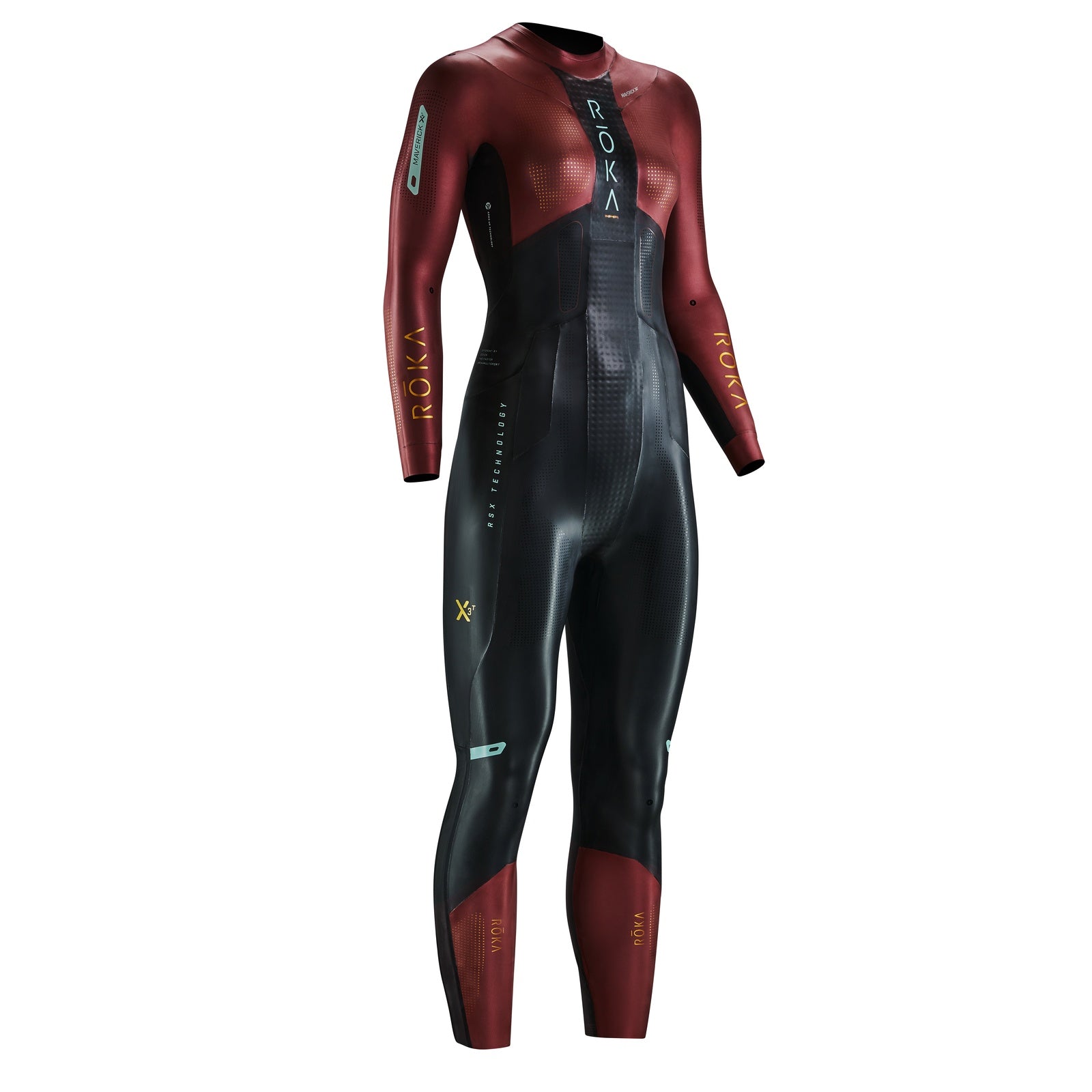
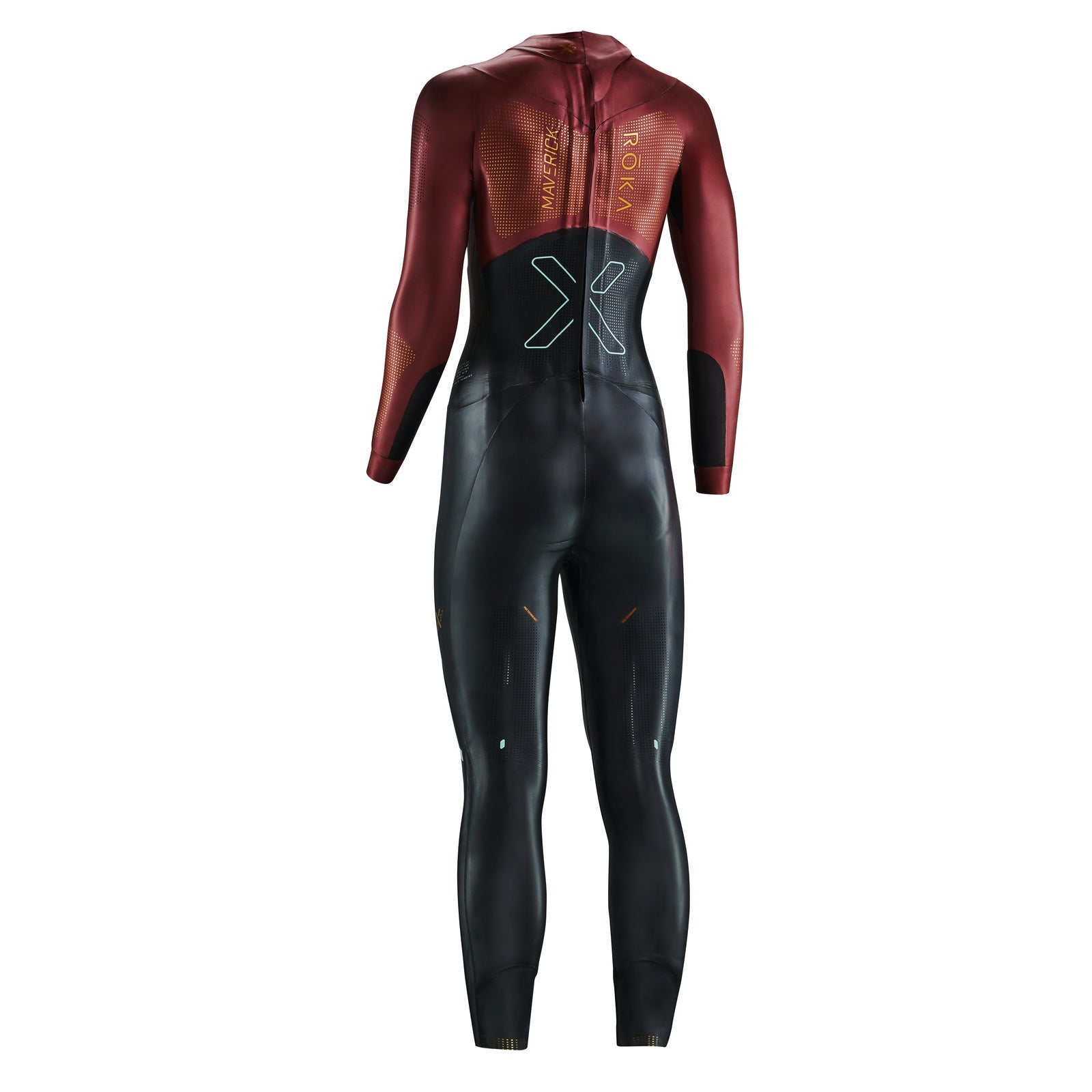
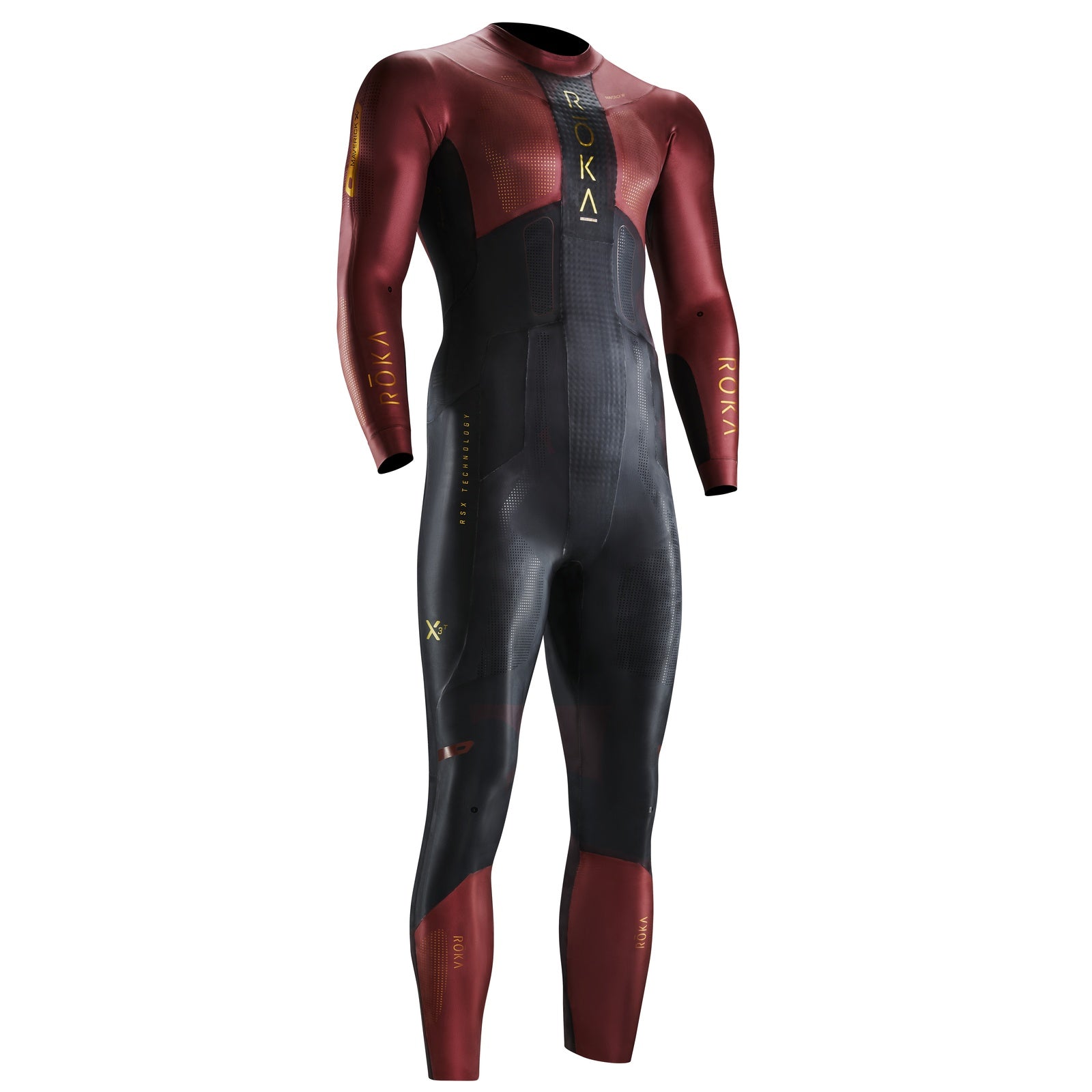
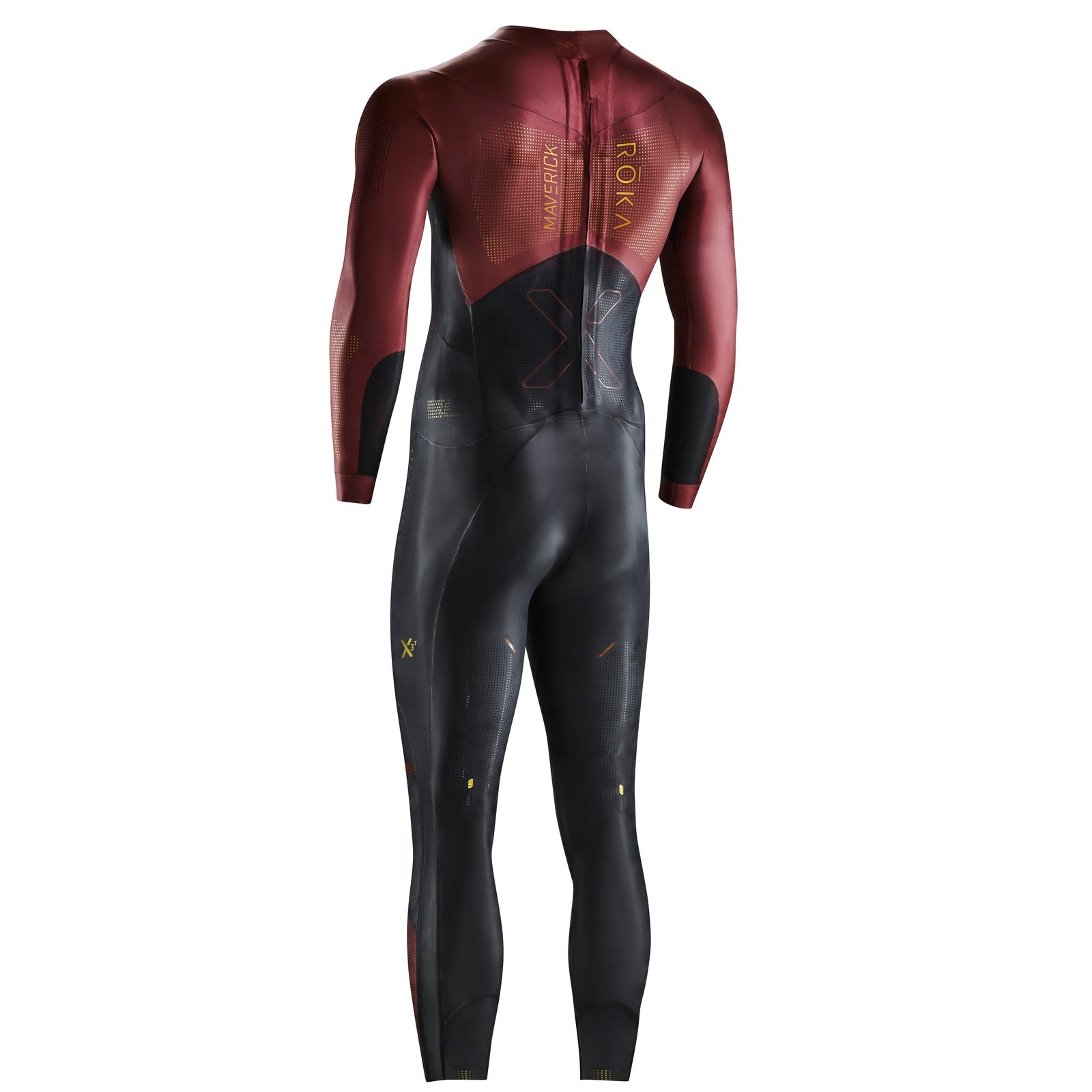
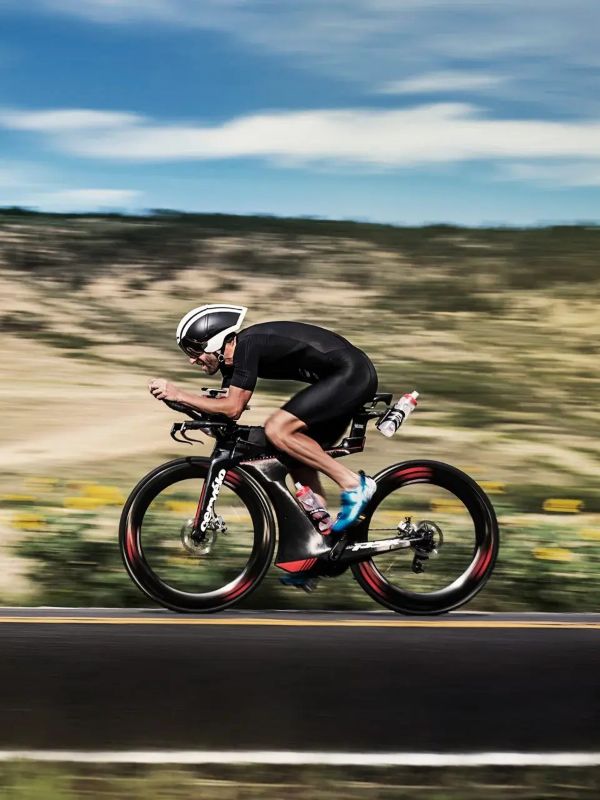
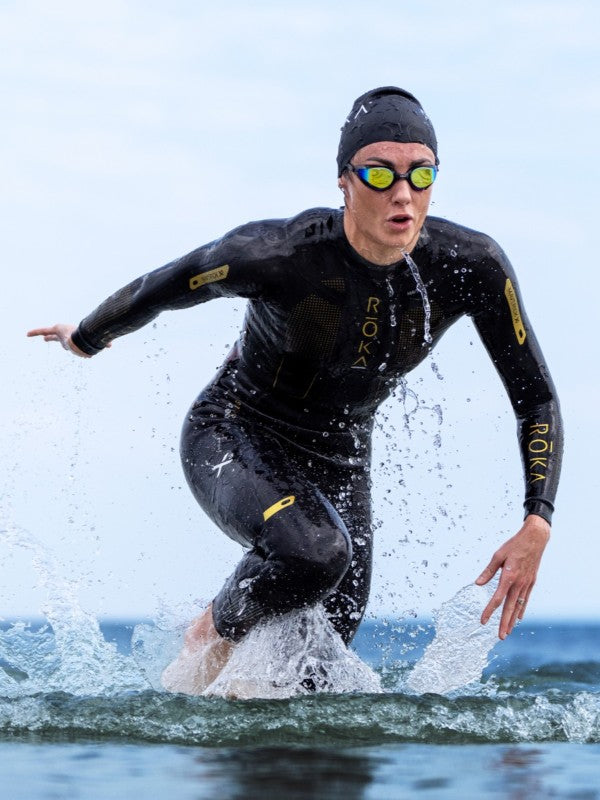
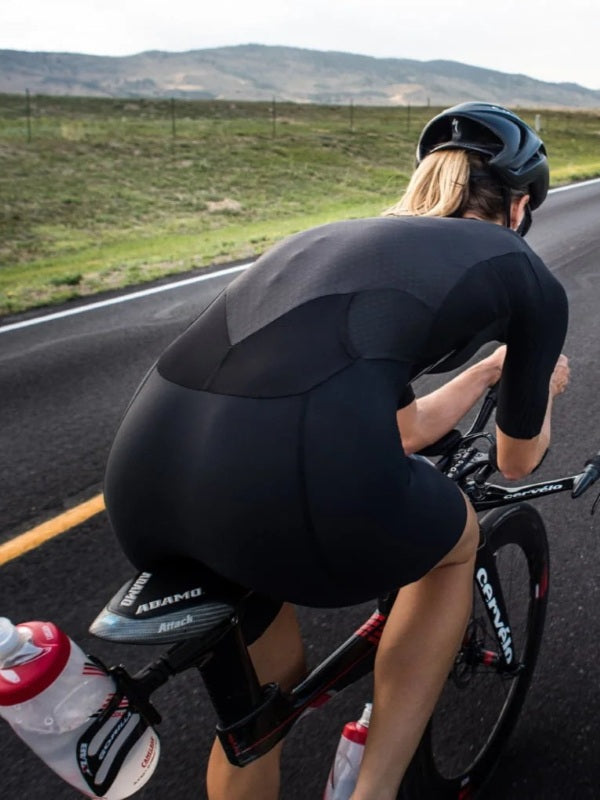
Use the winter months to get familiar with every piece of equipment and fuel you’ll race with—your wetsuit, tri suit, bike setup, running shoes, and your nutrition/hydration strategy.
"Practicing with all of these now eliminates surprises and positions you to thrive once race day arrives,” MBK says.
To do that, you’ll need to dial in your kit ASAP. But you can always go for a mid-season upgrade—just make sure to train in whatever you get before your next event.
6. Train at Race Pace
“Try to mimic what you would be doing in a real triathlon,” Dr. Strawter says. Age group athletes tend to train in lower-heart rate zones, then race at a much harder pace. That’s a recipe for race-day health surprises.
“Exercise induced asthma might not become evident until you push your limits,” Dr. Strawter says. You don’t want to find out you have something like it until you’re in the heat of battle on the race course.
7. Be SIPE Aware
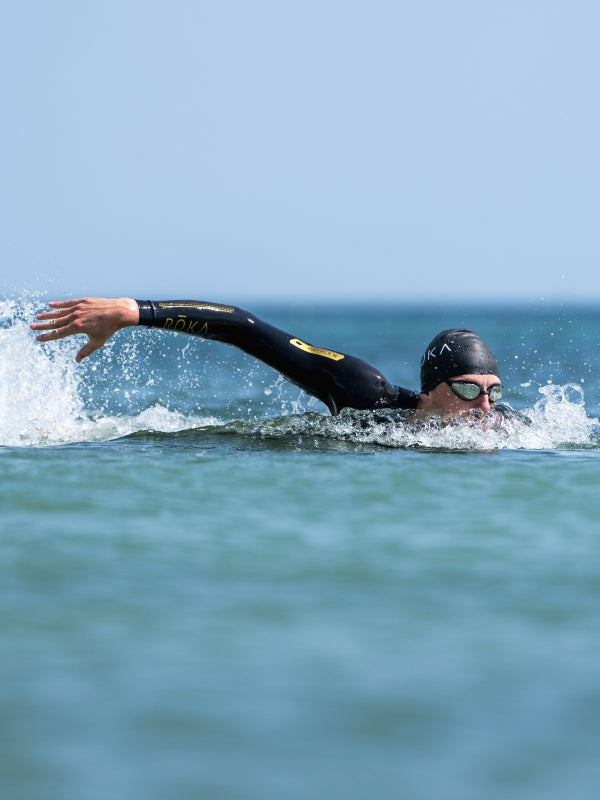
SIPE stands for swimming-induced pulmonary edema, a condition where fluid leaks into the lungs during strenuous swimming. “It’s the biggest emergency that’s underappreciated,” Dr. Strawter says.
Cold water can be a trigger. Especially when combined with exertion, and wetsuits that feel too tight around the chest.
Symptoms to watch out for: sudden shortness of breath out of proportion to your effort, a wet cough, and chest pain or tightness. If you experience any of these things, stop swimming ASAP, exit the water, sit up to help fluid drain from your lungs, and get help from medical personnel.
8. Take Downtime Seriously
At the end of the season, Jesse says, you may feel like a sponge: completely wrung out. “Your mission is to soak life back up into you.” Family time. Food. Relaxing. “Do things that feel good.
For Jesse, that meant not doing anything he’d consider exercise. He’d ride bikes with his kids, go on walks. Maybe do yoga. No pool time. “Real time off!”
9. Build Breaks into Your Season
Jesse would treat his season like two halves. “I felt like I could peak twice in the course of the year,” he says. For him, that was often for Wildflower and an IRONMAN in the late spring, then for the 70.3 or IM World Champs in the fall.
That mid-season break was significant: a 3 to 4 week wind-down, similar to his end-of-season break, without any real workouts.
“It’s so important because you train so hard. If you train year after year, and you don’t take real down time, you don’t get as high peaks,” he says. “You just don’t have that extra 10 to 15 percent because your body’s just a little smoked.”
10. Get Strong
“Strength training builds the stability, stamina, and durability needed for high-quality training and racing,” MBK says. Now's a great time to lay down the functional strength foundation that will help you build your training load with confidence.
USAT recommends a routine that looks something like this:
2 to 3 times a week
Light to moderate resistance
6 to 10 exercises
10 to 20 reps, 2 to 3 sets per exercise
The exercises: Squats, deadlifts, planks, pull-ups or rows, step-ups or box jumps, bridges, and calf raises.
Check out the full USAT strength training recommendation here.
11. Sack Out
“The biggest gains often come from what happens outside of swim, bike, and run,” MBK says. “By prioritizing sleep quality, consistent hydration, and smart nutrition, your metabolic system will operate efficiently, you'll recover well, and and you'll stay healthy through the demands of the season ahead.”
While everyone’s needs in these areas vary, consider a few truths: Lack of sleep can increase perceived effort, and negatively impact nutrition and recovery. Adults generally need 7 to 8 hours of good quality sleep a night, while athletes in peak training may need up to 10 hours.
Good quality means you fall asleep within 30 minutes, and typically sleep through the night. Not a great sleeper? Train yourself to be, with these tips from Triathlete Mag.
12. Train Your Brain
Mental readiness is just as vital as physical readiness. “This is the time to tune into your internal dialogue, practice resilience, and align your thoughts with your goals,” MBK says.
Accept the full range of workouts—the good, the bad, the amazing, and the ‘WEB’—why even bother—days.
“Remember: we can never let success get to our heads nor failures to our hearts!” Meredith says. “When your mind and your body are in unison, you create a powerful foundation for a successful and fulfilling 2026 season.”
You got this! And in the words of MBK, always give it some GUMPTION!